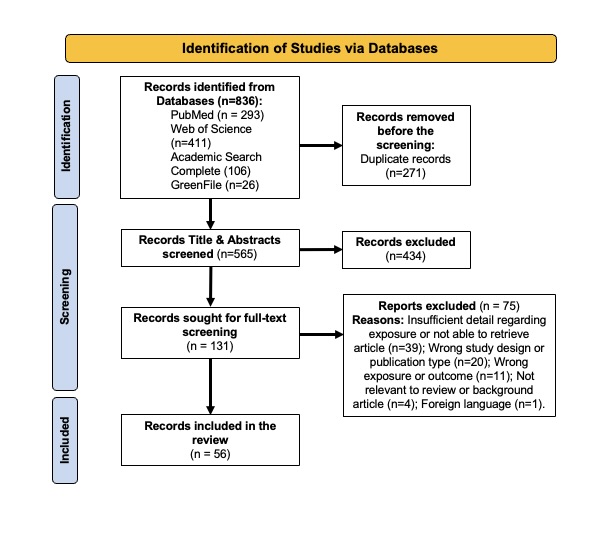
Figure 1 – Preferred Reporting Items for Systematic Reviews and Meta-Analyses (PRISMA) flow diagram
Landscape Architecture and Health: An Umbrella Review
Raúl D. Gierbolini-Rivera1, Amanda Kesler3, Derek Hoeferlin3, and Amy Eyler2
¹ Prevention Research Center; School of Public Health, Washington University in St. Louis, U.S.A.
2 Brown School, Washington University in St. Louis; U.S.A.
3 Sam Fox School of Design & Visual Arts; Washington University in St. Louis; U.S.A.
Abstract
Landscape architecture influences environmental conditions related to health, but evidence on how design features impact health is scattered across disciplines. The review aims to assess the evidence, identify pathways to health, and guide collaboration between landscape architects and public health professionals. Following PRISMA and JBI Umbrella Review guidelines, systematic searches were conducted in PubMed, Web of Science, Academic Search Complete, and GreenFILE. Exposures included landscape design features, while outcomes captured pathways such as instoration, restoration, mitigation, adaptation, and direct health effects. The review is registered with PROSPERO (CRD420251058826). Fifty-six systematic reviews and meta-analyses were included, covering 2,654 studies, most published from 2021 to 2025. Frequently, landscape types included parks, forests, recreational spaces, streetscapes, health gardens, and educational landscapes. Instoration pathways consistently increased physical activity and active transportation. Restoration pathways improved social inclusion, particularly in hospital gardens and green schoolyards. Mitigation pathways demonstrated reductions in heat and noise and improved thermal comfort. Adaptation pathways such as green roofs and other green infrastructure reduced heat stress and supported outdoor use. Reported health outcomes included improved psychological well-being, some cardiometabolic benefits, and reduced behavioral symptoms in clinical contexts; however, the quality of the evidence remains limited. Findings indicate that landscape architecture practice can improve health by encouraging physical activity and social cohesion, but climate mitigation and adaptation have been less studied. Despite standards that promote active living and climate resilience, systematic evaluation of health-focused landscape projects remains lacking. Collaboration between health and design is necessary to create evidence-based landscapes that enhance health and environmental quality.
Keywords: Public Health, Physical Activity, Active Living, Climate Resilience, Landscape Design
Landscape architecture and public health are increasingly recognized as mutually complementary, multidisciplinary fields that shape the places where people live, work, and recreate, thereby influencing population health and well-being (van den Toorn M, 2022; Heiland, Weidenweber, & Thompson, 2019). Outdoor environments designed by landscape architects can impact health through multiple pathways, for example, by improving air quality, supporting environments for active living, enabling opportunities for social connectedness, reducing physiological and psychological stress, and regulating microclimate and water flows, all of which can translate into measurable gains in physical, mental, and social health (Thompson, 2011; Russo, 2024). Landscape architecture aligns with documented health benefits in several design features and areas. For example, accessible parks and urban forests that improve nearby residents’ physical and mental health, continuous greenways and connected active-transport networks that support walking, cycling, and improve walkability, schoolyard shading, and thermally comfortable design that increase outdoor use and reduce heat-related barriers to activity, and therapeutic or “healing” gardens in community, home, and health-care settings that improve patient restoration and satisfaction (van den Toorn M, 2022; Heiland, Weidenweber, & Thompson, 2019; Thompson, 2019; Russo, 2024; American Society of Landscape Architects, 2025; Brown & Corry, 2020). Food-producing or “edible” green infrastructure, such as community gardens, can also impact diet, social connectedness, and local food security (Brown & Corry, 2020).
These design features share associated pathways towards health. First, they enable physical activity by providing safe, attractive places and connected routes for walking, cycling, recreation, and play (e.g., parks, trails, green spaces) (Russo, 2024). Second, fostering social connectedness and community cohesion by creating inclusive gathering spaces and amenities that support interaction among individuals (e.g., urban green spaces and greenways) (van den Toorn M, 2022; Heiland, Weidenweber, & Thompson, 2019). Third, promoting psychological restoration and stress reduction through opportunities for daily contact with nature (e.g., playscapes, healing gardens) (Thompson, 2011; Russo, 2024). Fourth, providing climate-adaptive and hazard-mitigating ecosystem services, for example, urban tree canopy and green infrastructure that reduce urban heat, improve microclimate, and manage stormwater to lower heat- and flood-related health risks (e.g., rain gardens, green roofs, canopy trees) (American Society of Landscape Architects, 2025; Opdam, 2020).
To achieve consistent public health gains at scale, landscape architecture should use evidence-based processes that explicitly seek, evaluate, and apply empirical and local evidence during design and monitoring, a practice termed Evidence-Based Landscape Architecture. Similarly, public health researchers and practitioners contribute population health data, risk assessments, and evaluation expertise to inform intervention prioritization and measure outcomes (Brown & Corry, 2020). Transdisciplinary collaboration is further enabled when health concepts are framed as shared boundary objects (e.g., “positive health” or “naturalness”) that translate across stakeholders and connect perceptual values to changeable landscape attributes (Opdam, 2020). Practical enablers of collaboration include integrating training, routinely utilizing health impact and landscape performance assessments, and embedding health criteria into planning and policy instruments for design choices to deliver co-benefits for health, equity, and climate resilience (Russo, 2024; Azzopardi-Muscat et al., 2020)
Despite growing evidence of the intersection of landscape architecture and health, the literature remains dispersed across disciplines and review articles. This gap limits synthesis of which features and design qualities most strongly lead to positive health outcomes or behaviors. Given this gap, an umbrella review is warranted to consolidate the evidence, identify overarching gaps, and produce actionable guidance for landscape architects, public health researchers and practitioners, and policymakers (Thompson, 2011). This comprehensive umbrella review has three aims: 1) to provide a systematic overview of the available evidence on landscape architecture or specific landscape design features and health outcomes; 2) to assess the associated pathways that exist that influence health; and 3) to make recommendations for impactful collaboration between landscape architecture and health.
Methods
Over the years, the literature on the connection between landscape architecture design and health outcomes has grown significantly, resulting in numerous systematic reviews and meta-analyses. However, there is a lack of umbrella reviews, a type of review that systematically synthesizes findings from existing reviews and comprehensively identifies relationships, gaps, and practical recommendations (Aromataris et al., 2020; Choi & Kang, 2023). We conducted an umbrella review drawing on previously published systematic reviews and meta-analyses on the relationship between landscape architecture and health. We followed the Joanna Briggs Institute (JBI) Umbrella Review guidelines, an adopted framework for reporting and conducting Umbrella Reviews (Aromataris et al., 2020). This umbrella review is registered in the Prospective Register of Systematic Reviews (PROSPERO) platform (ID CRD420251058826).
Inclusion Criteria
Studies were included if they met the following criteria: (1) Document type: peer-reviewed journal articles; (2) Study design: systematic reviews or meta-analyses; (3) Language: articles published in English; (4) Exposure: studies explicitly naming features or designs of landscape architecture as exposure variables; (5) Outcome: research into the impacts of features or designs of landscape architecture on various aspects of health, or associated pathways to health; (6) Core concepts: studies examining the relationships between features or designs of landscape architecture and health, associated pathways to health, climate resilience, transportation, green infrastructure, water, and stormwater systems. Eligible studies included systematic reviews and/or meta-analyses synthesizing evidence from quantitative, qualitative, or mixed-methods primary studies. Reviews were not restricted by the design of the underlying primary studies and could include observational designs (e.g., cross-sectional, cohort, case-control, longitudinal) and/or experimental or quasi-experimental designs (e.g., randomized controlled trials, natural experiments, intervention evaluations). This inclusive approach reflects the transdisciplinary nature of landscape architecture and health research and allows consideration of diverse pathways linking landscape design features to health outcomes. To ensure rigorous application of criteria 4-6, we evaluated each study’s objectives, scope, and the level of detail in the descriptions of the landscape architecture designs. For criterion four, we included studies in which individuals or populations (i.e., humans) are exposed to landscape architecture features or designs. For criterion five, we focused on studies that provided evidence of the impacts of landscape architecture features or designs on health or associated pathways to health. For criterion six, we included studies exploring landscape architecture features or designs and their associated pathways to health, including climate resilience, transportation, green infrastructure, water, and stormwater systems, to align with the field’s mission areas. We did not restrict the year of publication, the population studied, or the study setting. For the full table of inclusion and exclusion criteria, see Supplementary Material I.
Search Strategy
The search strategy encompassed systematic reviews and meta-analyses examining the relationships between landscape architecture features or designs and health, as well as associated pathways to health. Landscape architecture-related features encompass a wide range of elements. To capture this breadth, the search strategy was guided by the focus areas of the American Society of Landscape Architects (ASLA), which reflect established domains within landscape architecture research and practice. Landscape architecture-related keywords were gathered around the ASLA focus areas relevant to health, including climate action, health and well-being, parks and recreation, transportation, water and stormwater, and diversity (ASLA, 2026). These domains encompass natural and built environments, urban design, and landscape design, and aim to identify relevant landscape architecture-related features even when the term “landscape” is not explicitly used in study titles or abstracts. However, the ASLA biodiversity focus area was not included because ecological outcomes were beyond the scope of this review.
Outcome-related keywords were intentionally broad (e.g., health, mental health, well-being, chronic diseases) to comprehensively capture systematic reviews and meta-analyses examining diverse health outcomes and their associated pathways. For example, specific outcomes such as depression, anxiety, asthma, birth outcomes, injury risk, thermal stress, and lifestyle-related health behaviors are routinely indexed within these broader health constructs. This approach aligns with the purpose of this umbrella review and was reviewed and agreed upon by the research team before and after executing the search strategy. We conducted the searches on May 21st, 2025, in 4 electronic databases: GreenFILE via EBSCO, Academic Search Complete via EBSCO, PubMed, and Web of Science. The syntax included possible combinations of keywords, connected by Boolean operators, from 4 groups: landscape architecture keywords; landscape architecture focus-area-specific keywords; health-related keywords; and systematic reviews and meta-analyses (see Table 1). For the complete search strategy, see Supplementary Material II.
|
Table 1. Search Strategy |
|
|
Topic Areas |
Keywords |
|
Landscape architecture-related keywords |
("landscape architecture" OR "landscape design" OR “landscape planning” OR "urban design" OR “urban planning” OR “built environment” OR “natural environment” OR “environmental design”) |
|
Landscape architecture mission area-specific keywords |
("green infrastructure" OR "green space*" OR "urban green" OR “greenery” OR "natural environment" OR "nature-based solutions" OR "green wall*" OR "garden*" OR "park*" OR “public space*” OR “open space*” OR “playground*” OR “street*” OR “square*” OR “forest*” OR “wetland*” OR “plaza*” OR “transportation” OR “active transportation” OR “public transport*” OR “climate action” OR "climate resilience" OR "climate mitigation" OR “climate adaptation” OR "disaster risk reduction" OR "stormwater management" OR "water management" OR "stormwater" OR "urban heat island*" OR “diversity”) |
|
Health related keywords |
("health outcome*" OR "health" OR "health impacts" OR "mental health" OR "general health" OR "wellbeing" OR "well-being" OR "wellness" OR "chronic disease" OR “public health”) |
|
Study Type |
("systematic review*" OR "meta analysis") |
Study Screening and Selection
The initial screening phase involved assessing keywords in the titles and abstracts of the retrieved publications. The second phase involved examining the full texts of studies selected in the first stage that met the inclusion criteria. In both phases, title/abstract screening and full-text screening were conducted independently and blindly by two reviewers. Team members resolved disagreements through consensus discussions. The screening and selection process was facilitated using Rayyan, an online application that supports researchers in systematic reviews and meta-analyses (Ouzzani et al, 2016).
Assessment of Methodological Quality
All eligible studies underwent a methodological quality assessment using the AMSTAR-2 (A Measurement Tool to Assess Systematic Reviews, version 2) tool to evaluate the methodological rigor, and item-by-item judgments were recorded (“Yes/No/Partial”) (Shea et al., 2017; Li et al., 2022). We rated overall confidence in each systematic review’s results according to the AMSTAR-2 criteria, which classify reviews or meta-analyses as high, moderate, low, or critically low quality (Shea et al., 2017; Li et al., 2022). Reviews rated as high have no or only one non-critical weakness, indicating a comprehensive and accurate summary of the available evidence. Moderate ratings indicate more than one non-critical weakness but no critical flaws, suggesting an accurate summary of the available studies in the review. Reviews with low confidence contain at least one critical flaw, which may compromise the accuracy and comprehensiveness of their conclusions. Those rated critically low exhibit multiple critical flaws and should not be relied upon for an accurate or comprehensive summary. The tool contains 16 items, with 2, 4, 7, 9, 11, 13, and 15 as “critical domains”; the rest are “non-critical domains” (Shea et al., 2017; Li et al., 2022). All appraisals were logged in an Excel template for AMSTAR-2 to ensure consistency and contextualize findings in the synthesis. One team member (RGR) appraised all the articles, and two other members (AK & AE) verified the appraisal for accuracy.
Data Extraction and Summary
We classified the pathways through which landscape architecture-related features influence health deductively into four categories: adaptation, mitigation, instoration, and restoration. We defined these categories a priori based on established conceptual frameworks in the climate-health and environmental health literature, rather than deriving them inductively from patterns emerging in the reviewed studies. Our decision was guided by conceptual frameworks articulated in Kinney et al. (2023) and Hinkson et al. (2026), which emphasize adaptation and mitigation as central climate-health pathways, as well as by Marselle et al. (2021), which explicitly identifies instoration and restoration as key associated pathways to health that are relevant between landscape architecture and health.
Data extraction followed a structured data sheet in Microsoft Excel, in which we systematically gathered and organized relevant information from existing systematic reviews and meta-analyses examining relationships between landscape architecture designs or features and associated and/or direct health outcomes. The structured data extraction codebook in Microsoft Excel (see Supplementary Material III) outlines the variables used to extract data for the umbrella review. We coded each review for key bibliographic and methodological information, including title, author, year, study aims, journal, review type, number of included studies, study designs, study settings, and main findings. Additional variables captured the features or design aspects of landscape architecture examined as exposures (e.g., parks, trails), specific exposure variables examined in the studies could also be objective measurements of green space (e.g., Normalized Difference Vegetation Index or NDVI) and their associated health pathways (adaptation (e.g., rain gardens, green roofs), mitigation (e.g., air pollution, noise pollution), instoration (physical activity, diet), or restoration (e.g., stress, social interactions). We also recorded health outcomes and any quality assessments or notes on bias.
The exposures and outcomes were presented in tabular form to show the overall number of studies and the heterogeneity of the results. The qualitative information was synthesized and tabulated, with each finding accompanied by relevant contextual information (e.g., bibliographic details and core concepts). Given the multidisciplinary nature of this review, we paid special attention to terminology and diverse outcome measures common in landscape architecture and health research to identify potential synergies and support the translation of landscape architectural practices into public health benefits. This umbrella review used only data published in the included studies, acknowledging the potential for missing data or information. Reporting of the umbrella review followed the Preferred Reporting Items for Systematic Reviews and Meta-Analysis and the JBI Umbrella Review guidelines (Aromataris et al., 2015; Choi & Kang, 2023; Page et al., 2021).
Results
Systematic searches across PubMed, Web of Science, Academic Search Complete, and GreenFILE yielded 836 studies. After eliminating duplicates (n=271), we screened 565 records by title and abstract, excluding 434 records. We then screened 131 articles for full-text review. Of these, 75 articles were excluded for not meeting the inclusion criteria. Many articles were excluded because they lacked sufficient detail on exposure or could not be retrieved (n=39), used an inappropriate study design or publication type (n=20), or reported the wrong exposure or outcome (n=11). Several articles were either not relevant to the review or were background articles (n=4), and one article was in a foreign language (n=1). Finally, 56 articles met the inclusion criteria for this umbrella review (see PRISMA diagram in Figure 1).
Figure 1 – Preferred Reporting Items for Systematic Reviews and Meta-Analyses (PRISMA) flow diagram
Quality Assessment
We evaluated 56 reviews; overall, confidence in the evidence base was limited: 37 were rated critically low, 17 low, and only 2 were rated moderate quality; none were rated high quality. The most frequent critical weaknesses included the absence of pre-registered protocols, incomplete reporting of excluded studies, and limited consideration of risk of bias or quality in the synthesis. Study selection and data extraction across the reviews were performed inconsistently in duplicate, and only some reviews reported comprehensive search strategies. Common strengths included clearly defined research questions, good descriptions of included studies, and consistent disclosure of conflicts of interest. Overall, the methodological rigor across the reviews was limited, suggesting that the findings should be interpreted with caution (see Supplementary Material IV).
Narrative Synthesis
Overall, 2,654 studies were included across the 56 systematic reviews and meta-analyses. Many of the studies were systematic reviews (n=48), with a smaller proportion combining systematic reviews and meta-analyses (n=8). Most were published between 2021 and 2025 (64%), with a predominant focus on urbanized settings (n=44). Regarding study design, cross-sectional approaches were most common (n=31), followed by quasi-experimental (n=23), qualitative (n=18), and randomized controlled trials (n=19), with multiple designs identified in each systematic review and meta-analysis. Geographically, studies were concentrated in Europe (32.9%), Asia (28.7%), and North America (18.7%), with fewer from Oceania (12.8%), Latin America (5.2%), and, particularly, Africa (1.7%). Across the journals where the reviews were published, the journals spanned public health, environmental, urban planning, social science, medicine, and landscape architecture (see Table 2).
Table 3 presents a structured synthesis of the included systematic reviews and meta-analyses, organized by landscape exposure type and the predominant associated pathways and health outcomes identified across the literature. Landscape categories reflect exposure types reported across the included reviews and were developed collaboratively by landscape architecture and public health researchers; they do not represent an exhaustive typology of all landscape contexts.
|
Table 2. Summary Characteristics of the Included Studies |
||
|
Variables |
Categories |
N (%) |
|
Type of Study |
Systematic Review |
48 (86.0) |
|
Systematic Review & Meta-Analysis |
8 (14.0) |
|
|
Meta-Analysis |
- |
|
|
Year of Publication |
2021-2025 |
36 (64.0) |
|
2016-2020 |
14 (25.0) |
|
|
2010-2015 |
6 (11.0) |
|
|
Study Setting* |
Urban |
44 (78.6) |
|
Rural |
1 (1.8) |
|
|
Both/Mixed |
4 (7.1) |
|
|
Not Specified |
7 (12.5) |
|
|
Study Design* |
Cross-sectional |
31 (19.0) |
|
Quasi-experimental |
23 (14.1) |
|
|
Qualitative |
18 (11.0) |
|
|
Randomized Controlled Trials |
19 (11.7) |
|
|
Longitudinal |
14 (8.6) |
|
|
Mixed-Methods |
14 (8.6) |
|
|
Cohort |
12 (7.4) |
|
|
Experimental |
11 (6.7) |
|
|
Case-Control |
9 (5.5) |
|
|
Ecological |
6 (3.7) |
|
|
Descriptive |
4 (2.5) |
|
|
Evaluation |
2 (1.2) |
|
|
Global Region* |
Europe |
95 (32.9) |
|
Asia |
83 (28.7) |
|
|
North America |
54 (18.7) |
|
|
Oceania |
37 (12.8) |
|
|
Latin America |
15 (5.2) |
|
|
Africa |
5 (1.7) |
|
|
Journals |
International Journal of Environmental Research and Public Health |
11 (19.3) |
|
International Journal of Behavioral Nutrition and Physical Activity |
4 (7.0) |
|
|
Health & Place |
4 (7.0) |
|
|
Urban Forestry & Urban Greening |
3 (5.3) |
|
|
Science of the Total Environment |
3 (5.3) |
|
|
Social Science & Medicine |
2 (3.5) |
|
|
Sustainable Cities and Society |
2 (3.5) |
|
|
Sustainability |
2 (3.5) |
|
|
Frontiers in Public Health |
2 (3.5) |
|
|
Landscape & Urban Planning |
2 (3.5) |
|
|
Other** |
21 (36.9) |
|
|
Number of Studies Across the Systematic Reviews & Meta-Analyses in the Umbrella Review |
2654 |
|
|
*Totals and percentages for the study settings, study design, global region variables exceed the number of included articles because individual systematic reviews & meta-analyses often incorporated multiple study designs, settings and covered multiple countries within different global regions. |
||
|
**In the other category there were 21 separate journals: Environment International; Canadian Journal of Public Health; Disability and Rehabilitation: Assistive Technology; Frontiers in Psychiatry; American Journal of Health Promotion; Annals of Behavioral Medicine; BMC Public Health; European Journal of Investigation in Health, Psychology and Education; Building and Environment; Ecological Indicators; Agriculture, Ecosystems, and Environment; Journal of Environmental Planning and Management; Journal of Transport & Health; Children; Sports Medicine; PLOS ONE; Journal of Environmental Management; Thinking Skills and Creativity; Environmental Research; Land; Injury Prevention |
||
|
Table 3. Summary of Main Findings, Landscape Architecture Features, Health Outcomes, and Pathways Associated with Health of the Included Reviews (n=56) |
|||||||
|
Review |
# of Studies |
Review Aim |
Typology |
Feature/Design of Landscape Architecture |
Associated Pathway to Health |
Health Outcome |
Main Findings |
|
Song et al. (2023) |
31 |
Synthesize evidence on the effects of green space on PA and body weight status (BMI/obesity) among Chinese adults, highlight gaps, and inform future interventions/policy. |
Urban Parks, Streetscapes |
Parks/greenways, street greenery/streetscapes, outdoor fitness equipment, tree cover/vegetation mix, pavement/lighting/seating |
Instoration: Green Space ® PA |
BMI/overweight/obesity |
Street-level green view index and green space accessibility were found to be positively associated with PA but negatively associated with BMI. In most studies, there was a correlation between green space ratio in local areas and BMI. In addition, green space interventions were effective in increasing PA and decreasing BMI among Chinese adults. |
|
Geneshka et al. (2021) |
44 |
Assess whether significant relationships exist between exposures (green/blue space) and outcomes; identify exposure types, health conditions, and behaviors studied longitudinally; and determine whether multimorbidity is studied in relation to different green/blue exposures. |
Urban Parks with Urban Forest |
Urban parks (presence/distance), tree canopy, green land cover/greenness, blue spaces (distance/coastal residence). |
Instoration: Green Spaces ® PA |
Mental health: depression, anxiety; schizophrenia/psychosis. Chronic Diseases: CVD, diabetes, obesity. |
Depression, diabetes, and obesity were the health conditions most frequently studied in longitudinal relationships. Most exposures included indicators of green space availability and urban green space accessibility. Few studies addressed the relationship between blue space and health. The narrative synthesis pointed towards mixed evidence of a protective relationship between exposure to green space and health. There was high heterogeneity in exposure measures and adjustment for confounding between studies. |
|
Xu et al. (2022) |
44 |
Systematically assess the effectiveness of interventions intended to increase park use and park-based PA and evaluate quality of evidence and risk of bias. |
Urban Parks with Active Recreation Programming, streetscapes |
Multiple Park/streetscape features: park facility installation; renovation/renewal/design; dog parks; outdoor gyms; safe access improvements; green/natural infrastructure; playgrounds; transport to parks; pocket parks. |
Instoration: Park/Streetscape interventions ® PA |
No Specific Health Outcome |
Majority of studies reported positive effects on park use and/or PA. Interventions were grouped as supply-side and demand-side; the strongest evidence was for park prescriptions, increasing safe access, playgrounds, and park renovation/renewal/design. However, evidence quality was generally low and risk of bias substantial, limiting external validity. |
|
Li et al. (2023) |
25 |
To synthesize evidence on which landscape characteristics of green/open spaces are correlated with older adults’ PA. |
Urban Parks with Active Recreation |
Features included trails/paths, benches and amenities, lighting and safety elements, PA facilities (outdoor fitness equipment, courts), accessibility features (proximity, slip-resistant facilities, handrails), water, aesthetics, greenery/vegetation. |
Instoration: Green/Open Spaces ® PA |
No Specific Health Outcome |
Nine categories showed positive correlations with older adult PA: nature/greenery, safety, road/path conditions, aesthetics, PA facilities, accessibility, amenity, water, and elderly accessibility facilities. Negative correlates reported: pavement conditions (gravel), presence of water (context-dependent), poor maintenance, neighborhood aesthetics, and Green View Index (GVI). |
|
Roberts et al. (2019) |
33 |
To review the effect of short-term exposure to natural environments on depressive mood; and to identify potential moderators and to evaluate the overall quality of evidence. |
Urban Parks with Urban Forest |
Natural settings (e.g., forests, parks, agricultural/biodiverse areas) contrasted with built environments (low level of greenery). |
No specific associated pathway. |
Mental Health (Depressive mood) |
Short-term exposure to natural environments shows a small reduction in depressive mood, but evidence quality is very low. Effect sizes varied widely and remained largely unexplained, with high risk of bias across studies. Although factors like environment type and region appeared relevant, none were significant in meta‑regression. Publication bias was unclear. Overall, findings are tentative and should be interpreted cautiously. |
|
Kondo et al. (2018) |
68 |
Systematically review experimental, quasi-experimental, and longitudinal studies to explore the association between urban green space and human health. |
Urban Parks |
Exposures included green space features and interventions such as parks, public spaces, green infrastructure projects, vacant lot improvements, community gardens, and other urban nature. The review also covered categories like nature walks or runs, greening interventions, nature‑based leisure, and residential relocation. |
Instoration: Green Space ® PA Green Space ® improved mood & attention Green Space ® decrease violence |
Birth outcomes; Cancer; CVD; Mental health; Metabolic; Mortality; Respiratory |
Consistent negative association between urban green space exposure and mortality, heart rate, and violence, and positive association with attention, mood, and PA. Results were mixed, or no association was found, in studies of urban green space exposure and general health, weight status, depression, and stress (via cortisol concentration). The number of studies was too low to generalize about birth outcomes, blood pressure, heart rate variability, cancer, diabetes, or respiratory symptoms. |
|
Weerasurlya et al. (2019) |
24 |
Review quantitative and qualitative evidence on users’ (staff, patients, visitors) experiences during passive/quasi-passive access to green spaces in urban healthcare settings. |
Health Institution Gardens |
Hospital/healthcare gardens (healing/wander/roof/play gardens), green views from wards, seating (incl. semi-open huts), shade/foliage for screening, water/ornamental features, amenities supporting privacy and small group gathering. |
Restoration: Healthcare gardens/greenery ® socialization |
QoL |
User experiences were classified under three key themes on experiencing "control, choice, escape, privacy and autonomy", "opportunities for socialization" and "engagement with and stimulation by nature". The findings can be explained by theories of human-nature interaction and are likely to contribute towards generating convincing, credible and usable evidence on the topic. |
|
Shuvo et al. (2020) |
22 |
To address the gap in LMIC evidence by systematically examining urban green spaces and health studies in LMICs: assess exposure and outcome measures, evaluate study designs/quality, and synthesize key findings. |
Urban Parks |
Parks, gardens, playgrounds, nature areas, public green space. |
Instoration: Urban Green Space
® PA Urban Green Space ® perceived restorativeness |
Mental health, physical health, wellbeing. |
Most green space and health outcomes were measured subjectively, with most studies reporting benefits except in one slum population; only two assessed physical health. Few studies adjusted for moderators, and mediation analyses suggested physical activity and perceived restorativeness as key pathways. Overall study quality was moderate to low, limiting confidence in findings. Evidence from LMICs remains scarce and weak, highlighting the need for stronger longitudinal research using objective green space and health measures. |
|
Maestre et al. (2025) |
56 |
To characterize and summarize evidence on how imageability (distinct, memorable features of places) relates to brain cognitive and psychological health, and to identify methodological gaps and future research needs. |
Streetscapes |
Kevin Lynch’s five elements (paths, edges, districts, nodes, landmarks) plus green spaces, walkability, water/waterscapes, streetscape qualities (imageability, legibility, human scale, enclosure, transparency, complexity). |
Restoration: Imageability
®
stress reduction, social connection. Imageability ® safety/crime reduction |
Brain Health: spatial memory/navigation, attention, wayfinding/legibility.
Psychological Health: emotional engagement, mood, perceived safety/comfort, sense of place. |
Environments with high imageability are linked to better cognitive and psychological health, stronger emotional engagement, and improved social connection. They also support wayfinding, livability, and PA. However, studies highlight the need for standardized methods to measure imageability and to examine its effects on brain structure and function. Future research should develop objective, replicable assessment tools and explore the neural mechanisms behind imageability’s influence on health and community belonging. |
|
Boroumandi et al. (2025) |
33 |
To systematically review research on learn & play landscapes, answering five key questions: what approaches are used, who are the researchers and participants, how were studies conducted, where globally the research is concentrated and in which land-uses, and when studies were conducted. |
Education Focused Landscapes |
Learn & play landscapes, playscapes, public spaces, zoos, schools, museums, libraries, urban thinkscapes, daycares, laundromats, nature-based settings. |
Instoration: Play Landscapes ® PA through Play) |
Cognitive development: social-emotional competence. Health & well-being. |
33 peer-reviewed empirical studies (2005–2024) were reviewed. Two approaches emerged: research-oriented (n=24) focusing on play’s effects on children’s development and design-oriented (n=9) focusing on implementing/assessing playscapes. Topics included learning (n=19), community empowerment (n=15), cognitive development (n=12), and health & well-being (n=5). Most studies were in the US and Europe. Methods included observations, interviews, visual methods, pre/post evaluations, and participatory design. Identified gaps: lack of interdisciplinary integration, limited advanced measurement tools, and geographic concentration. |
|
Bowler et al. (2010) |
47 |
Review the available evidence on whether greening interventions, such as tree planting or the creation of parks or green roofs, affect the air temperature of an urban area. |
Urban Parks with Urban Forest, Streetscapes |
Parks/green areas, street & cluster trees/urban forests, ground vegetation (grass/turf), green roofs. |
Mitigation: Greening Interventions ® lower air temperature. |
No Specific Health Outcome |
Most studies show parks and tree-covered areas are cooler than surrounding urban sites, with meta-analysis indicating parks average 0.94 °C cooler during the day. Larger, tree-filled parks tend to have stronger cooling effects. However, evidence is mostly observational and based on few sites, and it remains unclear whether cooling extends across wider urban areas or results solely from greening. Current research is insufficient to guide specific urban greening recommendations. |
|
Panter et al. (2019) |
13 |
Review aimed to understand how changes to the external physical environment may act to promote walking, cycling and physical activity and why these may or may not be effective. |
Streetscapes |
Physical built-environment changes supporting walking/cycling: walking paths (n=1), cycle paths/lanes (n=5), bike facilities (n=1), mixed walking–cycling routes (n=6). |
Instoration: Physical built environment ® PA |
No Specific Health Outcome |
About 70% of evaluations scored low on credibility. Six studies found positive effects, with higher‑quality studies more likely to do so. Only two offered strong evidence of mechanisms. Three key resources supported walking and cycling: better accessibility and connectivity, improved traffic and personal safety, and enhanced travel experience. The most effective interventions targeted accessibility and safety across different contexts. Although evidence is limited, context clearly influences intervention success. |
|
Venkataramanan et al. (2019) |
18 |
To synthesize empirical evidence on how green infrastructure for stormwater/flood management relates to human outcomes across four pathways: physical health, mental health, economic well-being, and flood resilience & social acceptance. |
Urban Parks with Urban Forest, Streetscapes |
Green infrastructure intended for stormwater/flood management: rain gardens, bioswales/green streets, street trees/tree canopy, green roofs, pervious pavement, stormwater retention basins/ponds, reconstructed wetlands, riparian corridors/greenways, urban waterways, preserved forests, cisterns/rain barrels. |
Mitigation: Green infrastructure ® stormwater and flood management. |
No Specific Health Outcome |
No studies connected green infrastructure for stormwater and flood management to mental or physical health outcomes. Thirteen studies were identified on economic outcomes, largely reporting a positive association between green infrastructure and property values. Five studies assessed changes in perceptions about green infrastructure, but with mixed results. Nearly half of all included studies were from Portland, Oregon. This global systematic review highlights the minimal evidence on human health and social well-being relating to green infrastructure for stormwater and flood management. |
|
Bikomeye et al. (2022) |
31 |
Summarize experimental evidence on how greenspace / nature-based interventions affect CVD and cancer-related outcomes and identify knowledge gaps. |
Urban Parks with Active Recreation Programming |
Nature-based interventions grouped into four categories: forest bathing, green exercise, gardening, and nature viewing. |
Instoration: Nature-based interventions ® PA through green exercise |
CVD: blood pressure, heart rate, heart-rate variability, inflammatory/RAAS biomarkers (e.g., endothelin-1, IL-6, TNF-α). Cancer-related: QoL |
26 articles studied cardiovascular related outcomes and 5 studied cancer-related outcomes. Interventions were coded into 4 categories: forest bathing, green exercise, gardening, and nature viewing. Outcomes included blood pressure (BP), cancer-related quality of life (QoL) and (more infrequently) biomarkers of CVD risk. Overall studies included have a low risk of bias; and alluvial chart trends indicated that NBIs may have beneficial effects on CVD and cancer-related outcomes. |
|
Halder et al. (2025) |
48 |
The study explores synergies and trade-offs between green infrastructure and the built environment, aiming to provide insights into optimizing these elements for sustainable urban development. |
Urban Parks, Streetscapes |
Urban parks & green spaces, street trees/tree canopies, green roofs & green walls (vertical greening systems), roadside/living facades; combinations with water features. |
Adaptation: Green Infrastructure ® improved outdoor thermal comfort and cooling. |
No Specific Health Outcome |
Research on green infrastructure has expanded rapidly, especially on green roofs, urban parks, and vertical greening. The study maps how these topics interrelate and identifies gaps in numerical modeling tools for assessing greenery’s cooling effects and its influence on thermal comfort. It recommends developing standardized thermal‑comfort metrics and improving modeling software to better simulate interactions between urban greenery, microclimates, and urban forms. |
|
Van Cauwenberg et al. (2018) |
72 |
The aim of the current study was to systematically review and quantitatively summarize study findings on the relationships between physical environmental attributes and LTPA among older adults. |
Streetscapes |
Neighborhood physical environmental attributes including: walkability (composite index), residential density, street connectivity, access to services and destinations (land-use mix, parks, public transit, recreation facilities), pedestrian/cycling infrastructure (footpaths, street lights, barriers), aesthetics and greenery, safety and traffic. |
Instoration: Neighborhood physical environmental attributes ® PA |
No Specific Health Outcome |
The review found positive associations between LTPA and walkability, land‑use mix–access, and aesthetically pleasing scenery. Within neighborhoods, walking was positively linked to land‑use mix–access and public transit access, and negatively linked to barriers to walking or cycling. Overall LTPA was positively associated with access to recreational facilities and parks or open space. Many environment–LTPA relationships were understudied, and no consistent moderating effects emerged. These findings can guide planners and policymakers in designing neighborhoods that better support LTPA among older adults. |
|
Sundling & Jakobsson (2023) |
63 |
The aim of this study was to systematically review and compile evidence regarding micro-scale characteristics in urban outdoor environments that impacted pedestrian short-term experience and/or long-term psychological health. |
Streetscapes |
Physical and sensory attributes of urban walking environments, including: greenery and street trees, sidewalks and pedestrian infrastructure, land-use diversity, traffic safety, noise levels, aesthetics, cleanliness, lighting, and urban design form (building height, density, openness). |
Instoration: Grey Areas, Green Areas ® PA |
Psychological Health |
The review identifies psychological impacts of pedestrian environments across themes such as grey, green, blue, and white spaces, as well as weather, time, topography, personal factors, and safety. Using the circumplex model of affect, it finds that pedestrians need both stimulating and restorative areas. Perceived safety is essential for positive experiences, and some environmental features affect groups differently. The study recommends incorporating psychological experience into future pedestrian‑environment research. |
|
Taylor et al. (2024) |
23 |
Review aimed to examine the relationships between the ECE outdoor environment, social interactions, physical activity, and motor competence of children aged 3–7 years; and identify common observational tools and methods of measuring PA behaviors in the context of the physical and social environment. |
Education Focused Landscapes |
playground design, naturalized play settings, topography, surface variation, and integration of green and open areas. |
Instoration: ECE outdoor environment ® PA Restoration: ECE outdoor environment ® social interaction |
Motor Competence |
Intervention and controlled cross‑sectional studies showed that high‑quality outdoor environments with diverse affordances, portable play equipment, and natural features increased children’s physical activity, social interaction, and cooperative play. Other studies linked open grassy areas, fixed or portable equipment, wheeled toys, and paths to higher activity levels. Limited evidence suggested playground size and small‑group active games support motor competence. Overall, diverse, affordance‑rich outdoor settings benefit children’s physical and social development, though inconsistent study designs highlight the need for more standardized research approaches. |
|
Caswell et al. (2025) |
78 |
The purpose of the review was to identify and assess evidence to understand if and how different urban geometry factors impact on the residential amenity or satisfaction of people living in high tires in terms of thermal and visual comfort and ultimately human health. |
Streetscapes |
Urban geometry, green/blue surface cover, canyon aspect ratio, building height variation, sky view factor and urban block morphology |
Mitigation: urban geometry
factors ® reduction of
urban heat island, improved ventilation, and daylight optimization. |
No Specific Health Outcome |
The review found strong evidence guiding planning and design parameters for high‑rise precincts regarding urban heat, ventilation, and daylighting, but limited evidence for visual privacy and outlook. Some objectives were linked to urban geometry variables, including building height. Interest in green surface cover is rising, though its advantages over urban‑form strategies remain unproven across climates. A person‑environment fit framework is proposed to support multi‑objective optimization across planning, urban physics, and health research. The authors advocate integrating post‑occupancy evaluations to ensure resident experience and preferences inform design priorities. |
|
Sharifi et al. (2021) |
245 |
This study reviews literature focused on the health co-benefits of urban climate change adaptation measures. |
Streetscapes |
Indirectly includes green infrastructure, urban greenery, blue spaces, and passive design measures as part of nature-based solutions and urban design interventions. |
Adaptation: Nature-Based solutions ® reduced heat stress Restoration: Nature-Based solutions ® social interactions |
CVD; Respiratory disease; Mental Health; Vector-, water-, and food-borne diseases. |
This review examines the health co‑benefits of urban climate‑adaptation measures across seven categories. Most existing evidence concerns critical infrastructure, nature‑based solutions, and urban planning and design, while early warning systems, governance and policy measures, and behavioral or knowledge‑based strategies remain understudied. Some adaptation measures may also create health trade‑offs, which require further investigation. Overall, by identifying clear health co‑benefits, the review strengthens the case for expanding and promoting climate‑change adaptation efforts in cities. |
|
Georhescu et al. (2024) |
20 |
The aim of this systematic literature review is to provide a comprehensive and structured state of knowledge concerning internal and external factors that impact spatial accessibility in urban areas. |
Streetscapes |
Microscale street elements |
Adaptation: Barrier-removal and inclusive street design ® reduces mobility-related exclusion. Restoration: street elements (e.g., benches) ® that enable longer trips, social interaction, and social environment. Instoration: Microscale street elements ® PA |
No Specific Health Outcome |
Most studies focused on a single population group and overlooked differences in mobility capacities. Qualitative methods: interviews, focus groups, and questionnaires; were commonly used to capture perceptions of microscale street elements, which varied greatly by mobility needs. Some elements acted as barriers for certain individuals but facilitators for others. These conflicting needs, combined with the contextual nature of spatial accessibility, make designing universally barrier‑free environments challenging. The review underscores the need for more inclusive urban design and provides guidance for planners and policymakers seeking to improve accessibility based on comprehensive, group‑sensitive insights. |
|
Caili et al. (2024) |
31 |
Review research on outdoor space use in cold‑region cities, synthesize findings on influencing factors and barriers, and propose a socio‑ecological framework explaining how environmental, social, and individual elements shape outdoor space usage in cold climates. |
Urban Parks |
Urban outdoor spaces including parks, plazas, streets, green spaces, campuses, and community recreation areas were analyzed as landscape features influencing health and activity during cold seasons. |
Adaptation: cold-resistant infrastructure ® cope with cold Restoration: natural outdoor environment ® social interaction Instoration: urban outdoor spaces ® PA |
Physical health, mental health, psychological restoration, cardiovascular health |
The findings indicate that outdoor spaces in cold urban areas are influenced by a range of factors, encompassing individual, social, physical, and perceptual environmental attributes. Consequently, a conceptual framework based on social ecology is developed to comprehend the usage and constraints of outdoor spaces in cold urban environments. This research provides valuable insights for urban planners and designers in designing and planning outdoor spaces in cold cities. |
|
Han et al. (2022) |
116 |
Review of quantitative evidence-based behavioral studies on public open spaces. |
Streetscape |
Urban design elements of public open spaces: greenery, shading, benches, facilities, pathways, street layouts, and microclimate features. |
Mitigation: Shading and greenery ® reduce heat stress. Instoration: public open space ® PA |
Physical health, mental well-being |
Developed a classification system for outdoor behavior: specific movements (e.g., walking, sitting, thermal adaptation), behavioral attributes (physical, leisure, social), and site attendance patterns. Behavior is shaped by objective factors (location, climate, greenery, design features) and subjective feedbacks (feelings, perception, health). Physical activity was the most studied behavior, followed by leisure and social activities. |
|
Silva et al. (2024) |
38 |
Review the state of the art regarding the impacts of nature-based interventions in both human well-being and nature-related outcomes (e.g., connection with nature). |
Urban Parks |
Natural outdoor settings and their features (e.g., presence of water, vegetation, aesthetic/topographic qualities) considered for restorative potential. |
Restoration: nature based interventions ® stress reduction. |
Psychological: mood, stress, mental health. Physiological Health: cortisol levels, heart rate. |
Thirty-eight studies met the inclusion criteria, presenting quantitative and qualitative data reporting positive outcomes regarding psychological (e.g., mental health, mood states, perceived levels of stress), physiological (e.g., physiological stress, neurocognitive function) and nature-related outcomes (e.g., connection with nature, attitudes towards the natural environment). Overall, the studies strongly suggest that natural environment have significant positive impacts on human well-being. |
|
Russo et al. (2017) |
80 |
The aim of this review is to raise awareness and stress the knowledge gap on the importance of urban provisioning ecosystem services, particularly when implementing an edible green infrastructure approach as it can offer improved resilience and quality of life in cities. |
Edible Landscapes |
Edible Green Infrastructure: integrated systems of green spaces that yield food: edible urban forests and edible urban greening, edible forest gardens, historic gardens and parks and botanic gardens, school gardens, allotment gardens and community gardens, domestic and home gardens, edible green roofs and vegetable rain gardens, and edible green walls and facades. |
Mitigation: Carbon sequestration on woody green roofs and herbaceous; and urban‑agriculture ® induced CO₂ offsets. Green roof vegetation ® reduction stormwater runoff. |
Heavy metal toxicity; Allergic conditions. |
Edible green infrastructure can deliver substantial provisioning services (food, carbon sequestration, climate‑mitigation benefits) while also generating dis‑services (contamination, allergen exposure). Effective implementation requires site‑specific contamination screening, low‑input agro‑ecological practices, and supportive governance tools. |
|
Chen et al. (2022) |
74 |
The purpose of this study is to advance existing state of
knowledge to |
Urban Parks with Urban Forest |
Soundscape resources in green spaces (a cultural ES): natural sound sources (e.g., birds, water, wind, vegetation) as formal qualities contributing to landscape aesthetic quality and nature-based recreation. |
Restoration: natural soundscapes → reduce stress and negative mood. |
Mental Health: Restorativeness/positive effect, stress reduction, negative mood. Physiological stress markers: heart‑rate variability, skin conductance. |
The current research has under-explored the soundscape with regard to spatiotemporal evolution, health benefits, and preferences and values; (2) in green spaces, people from different sociocultural contexts exhibit common preferences for soundscape resources. According to these, soundscape formal characters tend towards naturalness, diversity, and appropriateness; (3) exposure to natural sounds does have positive effects on human health and well-being, but the degree of the effects was varied. In addition to birdsongs and water sounds, wind-induced vegetation sounds also have high values. Authors propose natural sound scores and indicators, usable in GIS, to assess soundscape ecosystem services. These tools help planners enhance health and well‑being, protect high‑quality soundscapes, and identify gaps between aesthetic sound provision and recreational demand. |
|
Ferrante et al. (2025) |
15 |
This
systematic review aims to evaluate the role of urban green spaces in reducing
noise exposure and |
Urban Parks with Urban Forest |
Urban green infrastructure (parks, street trees, residential greenery, forest edges) as natural barriers and noise-absorbing structures. |
Mitigation: Green infrastructure → reduce noise pollution. |
Obesity, type 2 diabetes, cardiovascular disease, mental health. |
The evidence suggests that green spaces can help reduce noise-related distress, improve quality of life, and lower the risk of diseases associated with chronic stress. While there are indications of the positive role of urban greenery in mitigating noise and its health effects, the quality of evidence remains variable. Future research should adopt more standardized methodologies for measuring noise exposure and health outcomes, as well as better control for confounding factors. These insights are essential for guiding urban planning policies and improving quality of life in cities. |
|
Fast et al. (2025) |
24 |
The purpose of this systematic review and meta-analysis was to overcome the limitations of previous systematic reviews and provide a comprehensive estimate of the causal effects of implementing new urban trails on individual changes in PA and active transport behaviors. |
Urban Parks, Streetscapes |
Urban trails (protected cycling/walking infrastructure): multi-use paths, protected bicycle lanes, cycle tracks/bikeways separated from traffic by distance/barrier. |
Instoration: urban trail infrastructure → physical activity / active transport |
No Specific Health Outcome |
The meta‑analysis showed that new urban trails modestly increased physical activity among nearby residents, with slightly stronger effects for those living closest to the trails. Evidence for active transportation or cycling impacts was insufficient for pooled analysis. All studies showed high risk of bias due to weak reporting in quasi‑experimental designs. Despite limitations, results suggest that adding protected trails may raise daily physical activity in receiving neighborhoods. Strengthening this evidence will require better adherence to causal‑inference principles and greater inclusion of diverse populations in future studies. |
|
Molaei et al. (2024) |
25 |
This systematic review examines the associations between urban neighborhood built and social environment characteristics with different measures of physical functioning among mid- and older-aged adults over 45 years, focusing on cross-sectional and longitudinal study design. |
Urban Parks, Streetscapes |
Green spaces (parks, vegetation cover, NDVI, distance to parks), pedestrian and street infrastructure (sidewalks, bike lanes, benches), aesthetics (scenery, cleanliness), and land-use mix (destinations & services). |
No specific associated pathway. |
Physical functioning capacity, frailty status, mobility impairment, functional limitations in activities of daily living and instrumental activities of daily living, muscular strength, balance, and sarcopenia risk. |
Findings were assessed according to 13 neighborhood environment variables: aesthetics, crime safety, greenness and parks, land use mix and destinations, neighborhood disadvantage, pedestrian/street infrastructure, public transport, residential density, social environment, street connectivity, traffic safety, walkability, and composite variables. Significant associations in the expected direction were found for land use mix and destinations, walkability, crime safety, greenness and parks, social environment, and neighborhood disadvantage with physical functioning in mid- and older-aged adults. Weaker evidence of expected associations was found for residential density and aesthetics. |
|
Hedge et al. (2025) |
35 |
To identify environmental features of multi-family housing and
their surrounding neighborhoods that |
Urban Parks, Streetscapes |
At building/site scales: stairwell design (lighting, artwork/music, prompts, elevator prominence), onsite PA amenities, outdoor common spaces, paths, and courtyards. Neighborhood scale: parks/greenery, sidewalks, benches, connectivity, transit stops. |
Instoration: Multi-family housing environment → PA |
BMI, waist‑hip ratio, obesity prevalence. |
Findings from 35 identified articles revealed factors influencing multi-family housing residents’ PA. On the building level, typology (apartment, townhouse) and tenure (public, market rent) showed contrasting correlations with PA in different age groups. On the site level, the presence of PA facilities and safe, walking-friendly environments promoted PA. On the neighborhood level, safety, quality of PA and pedestrian infrastructure, upkeep, air quality, aesthetics, neighborhood satisfaction, street connectivity, walkability, land use mix, density, and public transport promoted PA. Multi‑family housing plays a key role in supporting physical activity, especially for older adults and children. Understanding varied housing types and multi‑scale interventions can help create healthier, activity‑friendly communities. |
|
Nigg et al. (2024) |
84 |
The primary purpose of this review was to synthesize results from previous studies on associations between built environment features and physical activity in global tropical or subtropical dry or desert climate regions; and to investigate associations stratified by Western and non-Western locations. |
Urban Parks, Streetscapes |
Connectivity, walking and cycling infrastructure, street design, tree canopy, parks and public open space, greenery (aesthetics), shade, and new urbanist developments linking built form to active travel. |
Instoration: built environments → PA |
No Specific Health Outcome |
Key built environment factors: connectivity, walking and cycling infrastructure, safety, aesthetics, and destination accessibility, are consistently linked to higher PA across multiple domains, especially when combined. Evidence from (sub)tropical climates is limited, with few studies examining heat‑relevant features like shade or indoor options. Most research comes from Western countries, though findings generally align with non‑Western contexts and apply across ages and genders. Natural experiments show that moving to activity‑supportive neighborhoods affects population sub‑groups differently. Overall, built environment attributes positively influence PA in (sub)tropical regions, but more research is needed in non‑Western settings where most such populations live. |
|
Müller et al. (2024) |
70 |
This systematic review aims to identify |
Streetscapes & Rural Recreation |
Rural built and natural environment elements: availability of recreation facilities (parks, trails, sports fields), sidewalks, cycling infrastructure, aesthetics, street lighting, tree cover, and overall environment indices. |
Instoration: rural and natural environments → physical activity |
No Specific Health Outcome |
Strong evidence shows that accessible exercise and recreation spaces, as well as supportive overall environments, positively influence LTPA. Possible benefits were also seen for total and transport‑related activity, greenness, cycling infrastructure, aesthetics, and pedestrian facilities, though safety concerns may reduce walking. Qualitative studies identify facilitators such as available facilities, low‑traffic streets, and attractive natural settings, and barriers including lack of destinations, sidewalks, lighting, and high traffic. Research on rural adults remains limited, highlighting the need for higher‑quality, longitudinal studies. Overall, investing in recreation spaces, safe active‑transport infrastructure, and nature‑based opportunities may help increase PA among rural adults. |
|
Yen et al. (2024) |
73 |
To investigate how natural environments influenced individuals’ physiological and mental health during different stages of the COVID-19 pandemic, and to identify the mediating factors of these effects. |
Urban Parks |
Parks, gardens, urban green space, private gardens, indoor plants, window views, forests, and blue spaces (coastal areas, rivers, lakes) |
Mitigation: Green spaces →
to lower COVID‑19 transmission. Restoration: Natural environments → social interaction. |
Mental‑health
indicators: stress, anxiety, depression, loneliness, mood, life‑satisfaction,
sense of belonging. |
During the pandemic, visits to public green spaces improved well‑being and reduced stress, while private green spaces and quality window views also supported mental health. As restrictions eased, the quality of public green spaces shaped feelings of safety and belonging, and coastal areas became preferred destinations. In the post‑acute stage, people recognized nature’s ongoing importance for physical and mental health. Overall, the pandemic emphasized human dependence on nature, underscoring the need to preserve ample urban natural spaces to reduce negative emotions from prolonged indoor living. |
|
Deng et al. (2023) |
9 |
The study aim was through a systematic review with
meta-analysis, to quantify the association between greenways and PA, thereby
offering valuable insights for both future academic research |
Urban Parks, Streetscapes |
Greenways (linear parks integrating walking and cycling trails); newly constructed or upgraded corridors combining vegetation, bicycle paths, and pedestrian infrastructure, often connected to blue spaces. |
Instoration: Greenways → physical activity and active travel |
No Specific Health Outcome |
Greenway interventions are associated with a small but statistically significant increase in physical activity among residents living near the greenways. Specifically: Active transport increased after greenway development or upgrading; MVPA increased; Total PA increased. Subgroup analyses suggest: Longer exposure (≥12 months) to greenways yields stronger improvements in active transport than shorter exposure; Higher proportions of women in the intervention population are associated with larger active transport effects; Living within 1–2 km of a greenway shows effective exposure, whereas <1 km alone did not show a clearly stronger effect; 1–2 km appears to be a practical threshold range; Greenways that include blue space (water features such as lakes, rivers, canals) have larger effects on active transport than greenways without water. Authors recommend prioritizing greenway development as a public health strategy, emphasizing blue spaces and accessibility. |
|
van der Velde-van Buuringen et al. (2023) |
19 |
To unravel which aspects of garden use, affect QoL and behavioral and BPSD in people living with dementia in nursing homes. |
Health Institution Gardens |
Nursing-home gardens / outdoor spaces (e.g., therapeutic, or dementia-friendly gardens, wander gardens; access policies) serving as settings for every day, person-centered outdoor activities. |
No specific associated pathway. |
Improvements in QoL, reductions in agitation and other BPSD, enhanced mood, reduced stress, and better sleep quality. |
Overall, first studies appear to suggest positive effects of garden use on QoL or BPSD (stress, sleep, and mood) in people living with dementia in nursing homes. However, consensus regarding measurements and key outcomes, considering the physical, social, and organizational aspects when designing the garden use intervention, is necessary for the reliable evaluation of these interventions. |
|
Fernandes et al. (2023) |
39 |
The aim of this systematic review was to explore the impact of school-based interventions on the modification of indoor and outdoor stressors related to the built and natural environment on children’s exposure and health. |
Education Focused Landscapes |
Built and natural school environment modifications: green schoolyards, gardens, outdoor classrooms, green walls, air-filtration/ventilation systems, and safe walking/cycling infrastructure |
Instoration:
Green spaces/greening schools → physical activity |
Cognitive performance (attention, memory, logical thinking,
reading comprehension); |
Thirty-nine papers were included on three main intervention types: improve indoor air quality by the increase of ventilation rates in classrooms; increase children's green time or greening schools, and multicomponent interventions to increase active travel to school by changes in pedestrian facilities. No eligible intervention to reduce traffic noise at school was found. Increasing ventilation rates improved short-term indoor air quality in classrooms, but the effect on cognitive performance was inconsistent. Greening schools and increasing children's green time have consistent positive effects on cognition and PA, but not in behavior. Multi-component interventions can increase walking and cycling after three years. Overall, the studies were rated as having poor quality owing to weak study designs. We found modest evidence that school-based built and natural environment interventions can improve children's exposure and health. |
|
Song et al. (2022) |
24 |
This study aims to examine the effects of direct green space exposure activities on the general population’s mental health and to identify sensitive physiological and psychological indicators that reflect the impacts of direct exposure to green space. |
Urban Parks with Urban Forest |
Natural environments such as forests, urban parks, woodlands, grasslands, and green façades functioning as restorative landscape elements. |
No specific associated pathway. |
Psychological health: fatigue, tension, confusion, vigor, and depression., Physiological health: heart rate. |
Compared
to non-green space situations, green space exposure was related to decreased
negative feelings, such as fatigue −0.84 (95% CI: −1.15 to |
|
Kapsalis et al. (2024) |
48 |
To systematically review how the inaccessible design of public spaces affects the QoL (health and safety, independence, and social participation) of MobAD. |
Urban Parks with Urban Forest |
Physical elements of the urban public realm: sidewalks/pathways, curb ramps, tactile paving, entrances/doorways, ramps, corridors, restrooms, service counters/shelves, and transport interfaces (platform–vehicle gaps, boarding ramps). |
No specific associated pathway. |
Physical pain, fatigue, increased injury risk, cardio‑respiratory strain, urinary‑tract infections, chronic shoulder pain. |
Findings indicated a substantial number of inaccessible elements for MobAD users in public spaces. Pathway characteristics, boarding ramps, entrance features, confined spaces, and service surfaces were deemed to be the least accessible elements. These barriers had multifaceted effects on MobAD users’ quality of life with aspects of physical health, mobility, and use of public transport being most affected.; universal‑design and adaptive‑architecture approaches are recommended to improve equity and QoL. |
|
Motomura et al. (2022) |
18 |
This study aimed to review and systematize current evidence on associations of POS attributes with physical activity and/or sedentary behavior in dense urban areas of East Asian countries, including Japan, Taiwan, China, Hong Kong, and South Korea. |
Urban Parks, Streetscapes |
POS — including parks, green spaces, pathways, plazas, water features, playgrounds, and fitness stations. |
Instoration: Public Open Spaces → PA. |
No Specific Health Outcome |
Closer distance to POS and a greater number of POS are consistently linked to higher LTPA. Features such as pathways, open areas, squares/plazas, sports fields, playground equipment, and fitness stations also support LTPA. Conversely, the presence of water features and corridors within POS is associated with increased SB (sitting/standing). |
|
Ortegon-Sanchez et al. (2022) |
10 |
The aim of this review was to identify whether street-level
built environment |
Streetscapes |
Street-scale elements: play streets, pedestrian footpaths, home zones, movement-enhancing decorated paths, temporary road closures, school-route sensors (“Beat the Street”). |
Instoration: Street-scale built environment changes → PA, Play, Active travel |
No Specific Health Outcome |
Studies mainly assessed physical activity or play, focusing on temporary interventions like street closures or gamified active travel, with few permanent street‑design changes. Evidence showed limited increases in activity from street closures and inconclusive effects from design changes or technology. Weak study designs and poor intervention descriptions hindered conclusions. Evaluating built‑environment interventions remains challenging. The authors recommend multidisciplinary evaluation approaches, clearer reporting of targeted built‑environment indicators, and improved methods for future research. |
|
Amiour et al. (2022) |
38 |
This
research aims to understand which traffic and built environment
characteristics influence objective and subjective/perceived traffic safety
for |
Streetscapes |
Streetscapes and urban infrastructure: sidewalks, crosswalks, traffic calming, intersection design, street width, and land-use mix as features affecting perceived and objective safety. |
Mitigation: Traffic and built environment characteristics → perceived and objective safety |
Child injury |
High traffic volume and speed make children and parents feel unsafe during active travel, aligning with objective safety findings. Few studies examined how built environments shape safety perceptions, but consistent results show sidewalks improve perceived safety. Crossing guards increased perceived safety yet were linked to higher injury rates. Intersection density heightened unsafe perceptions without affecting objective safety, and population density correlated with child injuries but not perceived safety. These findings can inform policies aimed at improving children’s safety in active transport. |
|
Nguyen et al. (2021) |
68 |
To determine whether specific green‑space types and qualities are associated with health benefits, and if so, which qualities and health outcomes are most consistently linked |
Urban Parks, Streetscapes |
Broad set of green space qualities across parks, streetscape greenery, urban open spaces, playgrounds, gardens, forests, etc. Ten domains: environment/land-cover type; natural features; infrastructure & amenities; size; shape/pattern/connectivity; safety; cleanliness/incivilities; peacefulness (soundscape); perceived quality/satisfaction; combinations of features. |
Restoration: Green spaces → prosocial behavior |
Asthma, CVD, obesity. Psychological Health: psychological well-being, perceived stress, allostatic load, and mood Developmental Health: cognitive development |
Green‑space qualities; especially type, tree canopy, size, and connectivity; are consistently linked to better respiratory, cardiovascular, and psychological health, with effects varying by age and gender. Both objective measures (e.g., canopy cover, land‑cover diversity) and subjective perceptions (aesthetics, safety, satisfaction) predict benefits, with strongest evidence for tree canopy and large, connected green areas. Evidence for health impacts from infrastructure or amenity upgrades is mixed. The review identifies gaps in culturally responsive amenities, soundscape features, and composite indices that integrate green‑space form, pattern, and networks. |
|
Grigoletto et al. (2021) |
10 |
To investigate the types of PA performed by adults in green urban spaces and their health impacts, and whether the presence of outdoor fitness equipment / outdoor gyms promotes adult PA participation. |
Urban Parks with Active Recreation Programming |
Urban green spaces and parks, including outdoor gyms, walking trails, and public fitness zones as built-environment features supporting PA. |
Instoration: Green spaces, outdoor fitness equipment → physical activity |
Physical Health and Mental Well-Being - cardiovascular fitness, muscular strength, endurance, fatigue reduction, mental well‑being (happiness, perceived restoration), fall‑injury reduction |
Many people practiced walking activity as a workout, which showed improvements in health. Walking is the most popular type of training due to its easy accessibility and not requiring equipment or special skills. Outdoor fitness equipment has been installed in an increasing number of parks and has become very popular worldwide, providing free access to fitness training and seeming to promote physical activity in healthy adults; however, other studies about outdoor fitness equipment efficiency are needed. People living near equipped areas are more likely to perform outdoor fitness than those who live further away, and the most common training programs performed in green urban spaces included exercises with free and easy access, able to promote physical health and perception. |
|
Gianfredi et al. (2021) |
34 |
The specific aim was to analyze the direction and strength of
the association between urban greenspaces exposure and two selected health
outcomes: objectively measured PA, and mental health outcomes in OECD |
Urban Parks with Active Recreation Programming |
Urban parks, green meadows, gardens, recreational facilities, and urban green corridors; features such as maintenance, safety, connectivity, and availability of equipment or planned activities served as key design determinants of health impact. |
Instoration: Green spaces → physical activity |
Mental health, Physical Health |
A total of 34 papers were included in our review. Of those, 15 assessed the association between urban greenspace and PA and 19 dealt with mental health. Almost all the included studies found a positive association between urban greenspace and both PA and mental health, while a few demonstrated a non-effect or a negative effect on mental health outcomes. However, only guaranteeing access is not enough. Indeed, important elements are maintenance, renovation, closeness to residential areas, planning of interactive activities, and perceived security aspects. Overall, despite some methodological limitations of the included studies, the results have shown almost univocally that urban greenspaces harbor potentially beneficial effects on physical and mental health and well-being. |
|
Mygind et al. (2021) |
43 |
The review examines how nature-based exposure affects socioemotional development in children under 12 and identifies proximal mechanisms to build a model explaining how nature influences development and where further research is needed. |
Urban Parks with Urban Forest |
Availability of and interaction with natural environments (e.g., green space around residences or schools, parks, forests, gardens, school-ground greening, outdoor classrooms, horticulture therapy). |
Instoration: Natural spaces → Play Quality and Duration; Green spaces → physical activity and healthy weight |
Mental health: emotional symptoms, behavioral problems, ADHD/ASD symptoms, self‑esteem, stress and mood indicators, social functioning, QoL. Physical health: obesity/overweight, body composition, motor development, birth outcomes, respiratory, allergic conditions. |
Positive associations were found between children’s exposure to green space and aspects of intra‑ and interpersonal socioemotional development, with 13.9–55% of findings across study designs and contexts reporting benefits. Evidence was strongest for improvements in cognition and reduced obesity risk in children over six, with experimental studies also showing links to movement behaviors; however, associations with play, motor skills, language, screen time, communication, mood, physical well‑being, and stress were weak or inconsistent. Few studies were free of probable or severe risk of bias and restricting analyses to low‑bias studies produced similar or slightly weaker positive proportions, indicating that current empirical support for green‑space benefits on child socioemotional development remains limited. |
|
Felappi et al. (2020) |
72 |
Review identifies green‑space traits for mental health and wildlife and proposes a One‑Health framework. |
Urban Parks with Urban Forest |
Urban green space quality and its physical, ecological, and design attributes—e.g., vegetation structure, spatial configuration, topography, habitat diversity, acoustic environment, and presence of water bodies. |
No specific associated pathway. |
Mental‑health |
A framework based on the One Health approach is proposed, synthesizing the interlinkages between green space quality, mental health, and wildlife support; providing a new holistic perspective on the topic. Looking at the human-wildlife-environment relationships simultaneously may contribute to practical guidance on more effective green space design and management that benefit all dimensions. |
|
Moore et al. (2018) |
14 |
To assess the evidence of changes to the built environment on mental health, well‑being, quality of life, social inclusion, and fear of crime in adults living in urban environments in high‑income countries. |
Urban Parks, streetscapes |
Built-environment modifications involving green infrastructure (parks, woodlands, vegetation) and urban regeneration (housing renovation, streetscape improvements, transport infrastructure, stormwater systems). |
Restoration: Built environment intervention → social connectedness & safety |
Mental Health |
No evidence showed mental‑health benefits from urban‑regeneration or green‑infrastructure improvements, though two studies reported quality‑of‑life gains and one noted reduced social isolation. Only four studies had low risk of bias, leaving overall evidence weak. Stronger, interdisciplinary research; linking public health, planning, and urban design; is needed to evaluate built‑environment impacts on mental health and quality of life. |
|
Richmond et al. (2018) |
27 |
The review aimed to identify risk and protective factors for playground injuries and evaluate interventions, programs, or policies preventing such injuries in children under 18. |
Education Focused Landscapes |
Playground equipment design and surfacing features, including material type, height, compliance with standards, and safety structures (handrails, guardrails). |
Mitigation: prevention of playground injuries through changes in playground design. |
Musculoskeletal injuries |
Risk factors included absence of handrails and guardrails on playground equipment, non-impact-absorbing surfacing, and critical fall heights. Effective interventions included modifying playground surfacing and reducing equipment height to less than 1.5 m. Equipment- and structure-based playgrounds should adhere to and maintain playground standards in order to reduce the risk of serious injury. Organizations responsible for installing and maintaining playgrounds should consider alternative play spaces that allow children to play outdoors, in a natural environment that supports healthy child development and promotes physical activity. |
|
Lee et al. (2018) |
9 |
To synthesize the characteristics of outdoor gyms and users’ experiences and perceptions of outdoor gyms across different cultural contexts. |
Urban Parks with Active Recreation Programming |
Outdoor gym facilities as environmental infrastructure integrated into public parks and open spaces. Design elements included: placement in natural/green environments, equipment type, instructional signage or classes, accessibility, and surrounding amenities. |
Instoration: Outdoor Gyms →
Physical activity. |
Improvements in musculoskeletal conditions (e.g., frozen shoulder, post‑surgery rehabilitation) Mental well‑being (happier mood). |
OGs primarily serve adults and older adults, with wide variation in size, design, and instructional support. Equipment types lack standardization. Five themes shape user experiences: health, social connectedness, affordability, support, and design/promotion. Health consistently emerged as the central benefit, alongside opportunities for free, structured physical activity and community interaction. These synthesized characteristics guide future work on design parameters. Overall, OGs function as important environmental infrastructure and enhance understanding of cross‑cultural user experiences. |
|
Kärmeniemi et al. (2018) |
51 |
The aims were to identify determinants of the built environment associated with PA and to evaluate how changes in the built environment are associated with changes in PA. |
Urban Parks, streetscapes |
Built-environment features including transport infrastructure (walk/cycle paths, busways, rail), parks and playgrounds, street connectivity, population density, and land-use mix; all core spatial-design elements shaping daily mobility. |
Instoration: Built environment changes → PA. |
No Specific Health Outcome |
Changes in the built environment are consistently associated with higher overall and transport‑related physical activity; the strongest evidence pertains to new walking/cycling infrastructure and improved accessibility. Perceived aesthetics and safety show some positive associations, but evidence is limited. |
|
MacMillan et al. (2018) |
15 |
The
aims of this systematic review were to summarize study characteristics, study
quality, and impact of changes in neighborhood-built environment on physical
activity and diet outcomes |
Urban Parks, Streetscapes |
Community-scale infrastructure and public-realm changes: rails/greenways/boardwalks; park/green-space upgrades; transit (light rail lines/stations); food retail (supermarkets, farmers’ markets). |
Instoration: Built environment changes → Physical activity and Diet. |
BMI/Obesity |
Studies examined new or improved walking/cycling trails, transit lines, food outlets, and parks. Eight of fifteen showed at least one positive effect on physical activity, diet, or related health outcomes. However, varied outcome measures, weak study designs, and poor reporting limited policy‑relevant conclusions. Future research should use consistent, comparable measures for physical activity and diet, include comparison groups, and ensure high‑quality reporting to enable pooled analyses and stronger evidence. |
|
Hunter et al. (2015) |
12 |
To assess the effectiveness of interventions that encourage PA in urban green space and to develop recommendations for future research. |
Urban Parks with Active Recreation Programming |
Urban green space interventions; parks, greenways, trails, playgrounds, vacant-lot greening, outdoor gyms, and pocket parks. |
Instoration: Urban Green Space → Physical Activity |
No Specific Health Outcome |
Evidence showed that built‑environment–only interventions had limited but some positive effects on urban green‑space use and physical activity (4 of 9 studies). Stronger results came from physical‑activity programs, especially when paired with built‑environment changes, with all three such studies reporting increases in use and activity. Future research should include longer follow‑ups, appropriate control groups, adequate sample sizes, and attention to social‑environment factors, which remain underexamined. Overall, combining PA programs with built‑environment improvements appears most effective, but rigorous evaluations are urgently needed to guide the design, implementation, and assessment of future green‑space and physical‑activity interventions. |
|
Caloguiri & Chroni (2014) |
90 |
The aim of this study was to review the existing literature on the relationship between the natural environment and PA, integrating it into a conceptual model that depicts the motivational process underlying this relationship. |
Urban Parks with Urban Forest |
Broadly defined natural environments -parks, greenways, gardens, forests, beaches, rivers, and urban greenery. Also included views of nature and vegetation-rich built environments. |
Instoration: Natural
environments → PA. |
Mental well‑being: stress reduction, mood improvement. Physiological health: lower blood pressure, reduced cortisol in some studies |
Experiences in natural environments can strengthen positive attitudes toward physical activity and enhance perceived control through psychological benefits and stress reduction, increasing intentions to be active. Individual and environmental barriers influence this process via social support, subjective norms, and actual behavioral control, while instrumental beliefs, such as enjoying nature or expecting health benefits; shape attitudes. Patterns differ between neighborhood physical activity and outdoor recreation. Although access to natural settings and appealing views encourages activity, interventions must also address personal and environmental constraints. Policies should ensure equitable access, maintain natural environments, and provide supportive information and programming that fosters social engagement. |
|
Moran et al. (2014) |
31 |
Study aimed to provide a systematic |
Urban Parks, streetscapes |
Neighborhood physical features such as sidewalks, parks, green spaces, street lighting, rest areas (benches), and aesthetic design of streetscapes that affect older adults’ mobility and walking. |
Instoration: Environmental design → opportunities for PA |
No Specific Health Outcome |
Qualitative studies reveal overlooked, context‑specific factors shaping older adults’ PA. Five key environmental themes emerge: good pedestrian infrastructure, safety, accessible destinations and rest areas, aesthetic appeal, and comfortable conditions. Combining interviews with spatial methods like photovoice and walk‑alongs provides deeper insight, especially on access needs. Future research should use mixed methods and interview guides that explicitly explore environmental features alongside physical‑activity behaviors. |
|
Rothman et al. (2014) |
85 |
The
purpose of this review is to use the published literature to develop an
understanding of how specific features of the built environment relate to
both walking in elementary school children |
Urban Parks, Streetscapes |
Playgrounds, parks, recreation areas, and open spaces |
Instoration: Urban parks →
PA. |
Child pedestrian injuries and levels of walking |
Only two built‑environment features consistently supported both increased walking and lower injury risk: traffic‑calming measures and access to parks, playgrounds, and open spaces. Several features promoted walking but raised injury risk, including higher road density, marked crosswalks, pedestrian and population density, and mixed land use. Greater home‑to‑school distance reduced walking but also lowered injury risk. Some elements increased injury risk but were not assessed for walking, such as one‑way streets and areas with many crossing guards. Other features showed inconsistent relationships: traffic signals generally reduced injuries but had mixed effects on walking; sidewalks sometimes increased injuries; and street parking could both encourage walking and reduce visibility. |
|
Williams et al. (2012) |
9 |
To identify elements of the primary school-built environment that may be associated with overweight or obesity in children aged 4–11 years, and to determine whether these could be considered part of the obesogenic environment |
Education Focused Landscapes |
Playground/Schoolyard, gymnasia/indoor physical activity facility, outdoor sports and play facilities. |
Instoration: School built environment → opportunities for physical activity and healthy behaviors (e.g., active play, PE, water instead of sugary drinks) |
1) Prevalence and incidence of overweight. 2) Prevalence of obesity. 3) Proportion of children in the BMI Health Fitness Zone. |
Evidence linking primary school built‑environment features to childhood overweight, and obesity is limited and inconsistent. The only intervention study, installing water fountains plus education, reduced overweight incidence and prevalence but not BMI scores, and benefits applied only to non‑immigrant children. Observational studies examining playgrounds, gyms, fields, tracks, and covered areas showed mixed or null associations with BMI or obesity. Methodological weaknesses, inadequate confounding control, and inconsistent definitions of “adequacy” limit conclusions. Overall, evidence remains insufficient to determine whether modifying school-built environments can prevent or reduce childhood overweight or obesity, and more rigorous research is needed. |
|
Note the following are abbreviations that appear in this table: MobAD = Mobility Assistive Devices; POS = Public Open Space; SB = Sedentary Behavior; OECD = Organization for Economic Co-Operation and Development; OG = Outdoor gyms; PA = Physical Activity; CVD = Cardiovascular Disease; QoL = Quality of Life; LMIC = Lower-Middle Income Country; LTPA = Leisure-time Physical Activity; ECE = Early Childhood Environment; NDVI = Normalized Difference Vegetation Index; BMI = Body Mass Index; MVPA = Moderate Vigorous Physical Activity; BPSD = Behavioral and psychological symptoms of Dementia. Important citation: Lynch K. The image of the city. MIT press; 1964 Jun 15. |
|||||||
Urban Parks, Urban Forest, and Active Recreation Programming
Across urban park landscape typologies, reviews consistently highlight multiple pathways for health. For example, there are instorative pathways through physical activity and active travel; restorative pathways (e.g., improved mood and attention), and context-specific mitigation and adaptation pathways (e.g., heat and noise reduction). The most consistent outcomes are higher PA and improved cardiometabolic markers, alongside small-to-moderate mental health benefits; however, evidence quality varies. Exposure to green space is associated with higher PA and lower BMI among Chinese adults (Song et al., 2023). Park and trail upgrades generally increased park use and PA, with stronger evidence for interventions such as park prescriptions, safe access, playgrounds, and park renovation (Xu et al., 2022). Strong evidence came from physical activity programs that were paired with built-environment changes. (Hunter et al., 2015). Outdoor gym and fitness equipment infrastructure shows promise for increasing outdoor PA, particularly among individuals who live near them (Grigoletto et al., 2021; Lee et al., 2018).
Exposure to natural environments has been associated with a small reduction in depressive mood (Roberts et al., 2019), improvements in positive emotions and vitality, and lower heart rate following exposure to green spaces (Song et al., 2022). Similarly, multiple reviews show positive effects of green spaces on mood, attention, and perceived restorativeness; however, effects on depression and stress biomarkers (e.g., cortisol) are mixed or absent (Kondo et al., 2018; Silva et al., 2024; Shuvo et al., 2020). Urban regeneration and green infrastructure upgrades show limited to no direct mental health effects in higher-income countries, with a few studies reporting quality-of-life gains and one noting reduced social isolation; however, overall evidence remains weak (Moore et al., 2018). Soundscapes, particularly birdsong, water, and wind in vegetation, are preferred and associated with positive effects on human health and well-being (Chen et al., 2022). The authors call for improved GIS-based soundscape indicators to help landscape planners enhance health and well‑being, protect high‑quality soundscapes, and identify gaps between the provision of aesthetic sound and recreational demand. Nature-based interventions such as forest bathing, green exercise, gardening, and nature viewing affected blood pressure, cancer-related quality of life, and, less frequently, biomarkers of cardiovascular disease risk; studies were at risk of bias (Bikomeye et al., 2022). Longitudinal evidence is mixed regarding the protective effect of green space on depression, diabetes, and obesity; very few studies have examined the relationship between blue spaces and health (Geneshka et al., 2021). A review of the green spaces’ qualities found consistent associations between green space qualities (tree canopy, size, and connectivity) and improved respiratory, cardiovascular, and psychological health, with effects varying by age and gender (Nguyen et al., 2021).
Evidence from LMICs remains sparse and methodologically weaker on green space and health outcomes; however, Shuvo et al. (2020) note benefits of green space exposure on perceived restorativeness. In cold-region cities, a range of factors influences use of outdoor spaces, including individual, social, physical, and perceptual environmental attributes. Cold-resistant infrastructure helps cities adapt to cold weather and enables individuals to engage in physical activity and social interactions in outdoor spaces (Caili et al., 2024). During the COVID-19 pandemic, exposure to public and private green spaces supported mental health and well-being; coastal/blue areas gained preference, and green spaces also mitigated COVID-19 transmission (Yen et al., 2024).
Parks and tree-covered areas are approximately 0.9°C cooler on average by day, with larger, tree-filled parks tending to have stronger cooling effects; yet the extent of urban-area cooling impacts remains unclear (Bowler et al., 2010). Recent studies on noise indicate that urban greenery mitigates noise pollution and negative health effects (Ferrante et al., 2025). Emerging literature emphasizes the adaptive capacity of green infrastructure (e.g., green roofs, urban parks, and vertical greening) to improve outdoor thermal comfort and cooling (Halder et al., 2025). A review of edible green infrastructure (e.g., edible green roofs, urban agriculture) offers climate mitigation benefits, including carbon sequestration and reduced stormwater runoff. However, trade-offs also exist (e.g., contamination, allergens); site-specific screening and governance are essential (Russo et al., 2017). Nature-based solutions confer co-benefits for climate change adaptation (reduced heat stress) and the restorative impact of social interactions (Sharifi et al., 2021). Felappi et al. (2020) propose a One Health approach to identify connections among green spaces, mental health, and wildlife, with the goal of providing practical guidance on more effective green space design and management that benefits all dimensions.
Streetscapes
Streetscape literature consistently supports instoration through active transportation (i.e., walking/cycling) when accessibility and safety improve. Restoration is linked to imageability and micro-scale street elements. Mitigation and adaptation relate to traffic safety, heat, and noise. Evidence varies, but higher-quality and quasi-experimental studies often highlight positive effects.
Built-environment changes to paths/lanes and connectivity increase walking/cycling, particularly when accessibility and safety improve (Panter et al., 2019; Kärmeniemi et al., 2018). Urban protected trails modestly increase PA among individuals living closest to them (Fast et al., 2025), and greenway interventions increase active transport and MVPA, particularly with ≥12-month exposure, 1- 2 km catchments, and blue-space adjacency (Deng et al., 2023). In subtropical climates, connectivity, walking and cycling infrastructure, safety, aesthetics, and destination accessibility are consistently linked to higher PA across multiple domains, especially when combined. However, heat-relevant features, such as shade, are underexplored (Nigg et al., 2024). Rural settings show similar patterns, with strong evidence demonstrating that accessible exercise and recreation spaces, as well as supportive overall environments, positively influence leisure-time physical activity (Müller et al., 2024).
Environments with high imageability (i.e., paths, edges, nodes, landmarks, districts) are associated with improved cognitive and psychological health, greater emotional engagement, and stronger social connections. However, studies highlight the need for standardized methods to measure imageability and to examine its effect on brain structure and function (Maestre et al., 2025; Lynch, 1964). Sundling & Jakobsson (2023) reviewed the micro-scale qualities of the built environment (e.g., greenery, aesthetics, cleanliness, lighting, traffic safety) that influence short-term and long-term effects and found that more research is needed on the underlying mechanisms. However, pedestrians need both stimulating and restorative environments, with perceived safety as a crucial factor in positive experiences (Sundling & Jakobsson, 2023). Inaccessible public space elements (ramps, curb cuts, doorways, and surfaces) degrade the quality of life (worse physical health, reduced mobility, and less access to public transit) for mobility-assistive device users (Kapsalis et al. 2024). The authors argue that universal design and adaptive architecture approaches are recommended to improve equity and quality of life (Kapsalis et al. 2024). Microscale street elements can facilitate or hinder inclusive design, depending on mobility needs (Georhescu et al., 2024).
For children specifically, traffic‑calming measures and access to parks, playgrounds, and open spaces are the only built-environment features that consistently support walking and lower injury risk (Rothman et al., 2014). Other features (e.g., higher road density, marked crosswalks, pedestrian and population density, and mixed land use) can offer trade-offs for walking vs. injuries (Rothman et al., 2014). The traffic safety literature consistently indicates that sidewalks improve perceived safety; some measures, such as crossing guards, increase safety but are linked to higher injury rates (Amiour et al., 2022). Temporary street closures, such as play streets and gamified active travel routes, show only limited increases in physical activity. The evidence on temporary street closures is characterized by weak study designs, and the authors note that evaluating this type of built-environment intervention remains a challenge, recommending multidisciplinary evaluation approaches (Ortegon‑Sanchez et al., 2022).
Neighborhood physical environment attributes such as walkability, land-use mix-access, transit access, and pleasant scenery are positively associated with walking and leisure-time physical activity among older adults (Van Cauwenberg et al., 2018). At the population level, neighborhood walkability, crime safety, green spaces, parks, and destinations are associated with better physical functioning in middle-aged and older adults (Molaei et al., 2024). In multi-family contexts, on-site physical activity amenities, walkable, safe environments, street connectivity, land-use mix, public transit, aesthetics, and upkeep promoted resident physical activity (Hedge et al., 2025). This is important because multi-family housing plays a key role in supporting physical activity, particularly for older adults and children (Hedge et al., 2025). Qualitative research highlights benches, lighting, rest areas, aesthetics, and comfortable conditions as important environmental factors shaping older adults’ physical activity (Moran et al., 2014).
A review by Caswell et al. (2025) found strong evidence that urban geometry factors, particularly green surface, building height, sky view factor, urban morphology, canyon aspect ratio, water, and surface quality, positively influence thermal comfort and air temperature, while evidence for effects on privacy and outlook was limited. Additionally, façade openness, floor level, and canyon aspect ratio were most associated with daylighting, whereas floor level, vegetation, and water were most frequently linked to outlook/view objectives (Caswell et al. 2025). Stormwater management and green infrastructure literature primarily documented positive associations with property value, with no studies connecting green infrastructure for stormwater and flood management to mental or physical health outcomes (Venkataramanan et al., 2019).
Health-Institution Gardens
Evidence consistently indicates the restorative impact of gardens and green spaces, facilitating perceptions of escape, privacy, autonomy, and socialization. Studies also report improvements in quality of life and specific behavioral and psychosocial symptoms in dementia. In hospital settings, users (i.e., patients, staff, visitors) report control/choice, privacy, social opportunities, and engagement with nature as core experiences (Weerasurlya et al., 2019). Among individuals living with Dementia in nursing homes, garden use is positively associated with improved quality of life and several behavioral and psychosocial symptoms of dementia, such as stress reduction, improved mood, and sleep. However, reliable evaluation requires consensus on measures and interventions, including agreement on measurements, key outcomes, and intervention components (van der Velde-van Buuringen et al., 2023).
Education-Focused Landscapes
Across schoolyards and early-childhood environments, instoration (physical activity, play) and restoration (social interaction) are the primary pathways to health. Evidence on injury mitigation is clear for certain equipment/surfacing standards; associations with obesity are mixed. High-quality outdoor environments rich in affordances, portable equipment, and natural features increase children’s physical activity, social interaction, and cooperative play; limited evidence suggests playground size and small-group active games support motor competence (Taylor et al., 2024). Learn-and-play landscapes are a growing area of interest, with two approaches emerging in the literature: research-oriented, focusing on the effects of play on children’s development, and design-oriented, focusing on the implementation and assessment of playscapes (Boroumandi et al., 2025). However, gaps in measurement tools and interdisciplinary integration persist (Boroumandi et al., 2025).
Greening schools and increasing green time consistently show positive effects on children's cognitive development and physical activity, although overall study quality was poor because of weak study designs (Fernandes et al., 2023). Mitigating playground injuries is crucial; Richmond et al. (2018) found that impact-absorbing surfacing and limiting equipment height to <1.5 m reduce the risk of serious musculoskeletal injuries. Evidence of the connection between primary school-built environment features and childhood overweight and obesity is limited and inconsistent. Williams et al. (2012) found that only one intervention study that installed water fountains and provided education reduced the incidence of overweight and the prevalence of obesity; however, the benefits were observed only among non-immigrant children. Children’s green-space exposure shows positive but variable socioemotional effects (13.9-55%), with the strongest evidence for improved cognition and reduced obesity risk in children older than 6. Associations with movement behaviors in children are mainly observed in experimental studies, whereas associations with play, motor skills, language, screen time, communication, mood, physical well‑being, and stress were weak or inconsistent (Mygind et al. 2021).
Discussion
Across the 56 systematic reviews and meta-analyses, the evidence consistently shows that exposure to or improvement of green infrastructure, such as parks, trails, urban forests, and active-recreation programming, increases physical activity levels, improves cardiometabolic markers, and yields positive mental health benefits such as improved mood, attention, and perceived restorativeness (Song et al., 2023; Xu et al., 2022; Hunter et al., 2015; Grigoletto et al., 2021; Lee et al., 2018; Roberts et al., 2019; Song et al., 2022; Kondo et al., 2018; Silva et al., 2024, Shuvo et al., 2020). Similarly, design features that enhance walkability, connectivity, and safety (e.g., sidewalks, greenways, traffic-calming measures) are consistently associated with higher walking and cycling rates and better physical functioning in older adults (Panter et al., 2019; Kärmeniemi et al., 2018; Fast et al., 2025; Deng et al., 2023; Nigg et al., 2024; Muller et al., 2024). In contrast, findings diverge for certain outcomes, for example, the association between green space and depression, stress hormones (e.g., cortisol), diabetes, and obesity is mixed or absent, with several reviews noting insufficient or low-quality evidence (Kondo et al., 2018; Silva et al., 2024, Shuvo et al., 2020; Moore et al., 2018; Bikomeye et al., 2022; Geneshka et al., 2021; Nguyen et al., 2021). Other inconsistencies include the health impact of blue-space exposure, stormwater green infrastructure, and temporary street-closure interventions, where studies report limited or contradictory effects (Yen et al., 2024; Bowler et al., 2010; Ortegon-Sanchez et al., 2022; Russo et al., 2017).
Instoration (e.g., physical activity) and restoration (e.g., social cohesion) were the primary pathways to health prevalent across this umbrella review. In contrast, evidence for climate mitigation and adaptation is less prevalent. While only several studies mention ancillary climate mitigation benefits, such as stormwater management, heat-island reduction, carbon sequestration, or climate adaptation through infrastructure development (e.g., greenways, green roofs), to address existing and evolving climate threats (e.g., floods, heatwaves, storms, tornadoes) (Bowler et al., 2010; Venkatramanan et al., 2019; Caswell et al., 2025; Han et al., 2022; Russo et al., 2017; Ferrante et al., 2025; Halder et al., 2025; Sharifi et al., 2021; Caili et al., 2024). This imbalance signals a clear gap in both research and practice; the evidence for direct pathways to health has not yet been integrated with the equally urgent need to design climate-resilient urban environments. Consequently, landscape architecture and public health have an opportunity to develop transdisciplinary, climate-resilient solutions to climate change and health.
The post-design phase of landscape architecture projects remains inconsistently linked to evidence-based research, creating a persistent evaluation gap. Although professional bodies such as the American Society of Landscape Architects (ASLA) and the Landscape Architecture Foundation (LAF) Case Study Investigation program have established extensive standards for active living and climate-resilient design, there remains a lack of comprehensive, systematic evaluation of how health-related practices perform once built (Climate Positive Design, 2024; LAF, 2026; ASLA, 2026). Nordh & Evensen (2022) highlight that while quantitative studies demonstrate clear health benefits of well-designed green spaces, the transition from design to evidence-based evaluation is often missing; authors mention that “hard” evidence on the outcomes of implemented interventions is rarely collected, limiting the ability to verify whether professional standards translate into real-world health impacts. Moreover, longitudinal evaluations of post-occupancy monitoring of landscape architecture projects that track user behaviors, physical activity, and social interaction after installation highlight the need for robust field-experiment protocols that bridge design intentions with measurable health outcomes (Nordh & Evensen, 2022).
Across the reviews, authors consistently agreed that weak study designs limited the strength of conclusions and should be considered when interpreting the literature. Many highlighted common methodological shortcomings, such as overreliance on observational or cross-sectional designs, poor control for confounders, inadequate reporting, and a substantial risk of bias. For example, Xu et al. (2022) noted that evidence quality was generally low, with substantial risk of bias, limiting external validity. Similarly, Roberts et al. (2019) described evidence for depressive mood outcomes as very low quality with wide unexplained heterogeneity, and Shuvo et al. (2020) reported that studies from LMICs suffered from moderate to low quality, relying heavily on subjective measures and lacking adjustment for moderators. Additionally, Bowler et al. (2010) highlighted that most greening-temperature studies were purely observational and too few to guide recommendations, while Panter et al. (2019) found that nearly 70% of evaluations scored low on credibility. Other reviews echoed similar limitations; for example, Fast et al. (2025) flagged high risk of bias due to weak quasi-experimental reporting; Fernandes et al. (2023) rated school-environment studies as poor quality owing to weak study designs; Moore et al. (2018) emphasized that only a small subset of studies had low risk of bias; and MacMillan et al. (2018) highlighted inconsistent outcome measures and inadequate reporting across included studies. Together, these patterns show agreement that methodological weaknesses, ranging from design limitations to insufficient rigor in measurement and reporting, prevent the existing evidence from making more than incremental advances.
This umbrella review had some limitations that require mention. First, we included only systematic reviews and meta-analyses published in English; we did not include grey literature or other types of review articles. The emphasis on academically peer-reviewed literature overlooks the value of non-peer-reviewed, practice-based research produced by organizations such as LAF and ASLA; future research could integrate this literature, which plays an important role in landscape architecture research and practice. Second, while this umbrella review emphasizes human health outcomes, it gives limited attention to biodiversity and multispecies considerations, which represent a critical opportunity for future work to investigate more-than-human and ecologically reciprocal approaches in landscape architecture. Third, the four landscape typologies that structure the results of this umbrella review are not an exhaustive list of all landscape architecture typologies in the field. Fourth, since the initial systematic search, additional studies may have been published that could inform future reviews. Fifth, the AMSTAR-2 quality results should be interpreted with caution because the tool was developed for clinical and medical reviews and may not align well with social science or public health research, highlighting the need for future work to explore alternative or adapted appraisal frameworks better suited to these disciplines. Finally, umbrella reviews are constrained by the quantity, quality, and comprehensiveness of the available primary studies. Although they summarize existing evidence, they must also be interpreted alongside the limitations of the included systematic reviews and meta-analyses.
Both public health practice/research and landscape architecture practice operate under distinct and competing priorities. Public health prioritizes disease prevention, health equity, and measurable population health outcomes, while landscape architects focus on aesthetics, functionality, sustainability, and regulatory compliance and are primarily client-based and market-driven. These parallel tracks create silos that limit the exchange of data, goals, and best practices, leaving each field without a full view of the other’s constraints and opportunities. However, this separation also creates opportunities: structured communication channels (through professional organizations or academic institutions), joint advisory committees, shared data repositories, and co-created research/evaluation protocols. Through these opportunities, researchers could generate robust evidence on how landscape design choices affect health over time, and practitioners could translate this evidence into concrete, health- and climate-resilient design solutions. This transdisciplinary collaboration promises interventions that meet aesthetic standards while delivering measurable improvements in population health and climate resilience.
Correspondence should be addressed to
Raúl D. Gierbolini-Rivera
Washington University in St. Louis – One Brookings Drive
St. Louis, MO, USA
(787)-429-4475
 Raúl D.
Gierbolini-Rivera: 0000-0002-9970-9356
Raúl D.
Gierbolini-Rivera: 0000-0002-9970-9356
Amy Eyler: 0000-0001-8417-1656
Author Contributions
RGR contributed to the following: Visualization, Formal analysis, Resources, Project administration, Validation, Data curation, Investigation, Software, Methodology, Supervision, Writing – review & editing, Writing – original draft. AK contributed to the following: Visualization, Formal analysis, Resources, Validation, Data curation, Investigation, Software, Methodology, Writing – review & editing, Writing – original draft. DH contributed to the following: Supervision, Funding acquisition, Resources, Writing – review & editing, Writing – original draft. AE contributed to the following: Supervision, Funding acquisition, Investigation, Methodology, Writing – review & editing, Writing – original draft, Resources.
Acknowledgments
This project was funded by the Washington University in St. Louis Here & Next Seed Grant, the REI Foundation, and Raúl D. Gierbolini-Rivera, who was supported by grant number T32 HL130357 from the National Heart, Lung, and Blood Institute, National Institutes of Health.
Creative Commons License
This work is licensed under a Creative Commons Attribution-Noncommercial 4.0 International License (CC BY-NC 4.0).
References
American Society of Landscape Architects. (n.d.) Landscape Architecture: Impacts on Public Health, Safety, and Welfare. Washington, DC: American Society of Landscape Architects. Accessed October 15, 2025. https://www.asla.org
American Society of Landscape Architects. (2026). Focus areas. https://www.asla.org/focus-areas
Amiour, Y., Waygood, E. O. D., & van den Berg, P. E. (2022). Objective and perceived traffic safety for children: a systematic literature review of traffic and built environment characteristics related to safe travel. International journal of environmental research and public health, 19(5), 2641.
Aromataris, E., Fernandez, R., Godfrey, C. M., Holly, C., Khalil, H., & Tungpunkom, P. (2015). Summarizing systematic reviews: Methodological development, conduct and reporting of an umbrella review approach. Int J Evid Based Healthc. 13(3):132–140. doi:10.1097/XEB.0000000000000055
Azzopardi-Muscat, N., Brambilla, A., Caracci, F., & Capolongo, S. (2020). Synergies in design and health. The role of architects and urban health planners in tackling key contemporary public health challenges. Acta Biomedica. 91:9-20. doi:10.23750/abm.v91i3-S.9414
Bikomeye, J. C., Balza, J. S., Kwarteng, J. L., Beyer, A. M., & Beyer, K. M. (2022). The impact of greenspace or nature-based interventions on cardiovascular health or cancer-related outcomes: A systematic review of experimental studies. PLoS One, 17(11), e0276517.
Boroumandi, F., Daneshmand, S., & Fattahi, K. (2025). Hands up, minds on! Learn & play landscapes: Systematic review. Thinking Skills and Creativity, 56, 101724.
Bowler, D. E., Buyung-Ali, L., Knight, T. M., & Pullin, A. S. (2010). Urban greening to cool towns and cities: A systematic review of the empirical evidence. Landscape and urban planning, 97(3), 147-155.
Brown, R. D. & Corry, R. C. (2020). Evidence-based landscape architecture for human health and well-being. Sustainability (Switzerland). 12(4). doi:10.3390/su12041360
Caili, L., Maruthaveeran, S., Shahidan, M. F., & Caiwen, L. (2024). Cold city outdoor space utilisation patterns and constraints: A systematic review of empirical evidence. Urban Forestry & Urban Greening, 99, 128439.
Calogiuri, G., & Chroni, S. (2014). The impact of the natural environment on the promotion of active living: An integrative systematic review. BMC public health, 14(1), 873.
Caswell, H., Alidoust, S., & Corcoran, J. (2025). Planning for livable compact vertical cities: A quantitative systematic review of the impact of urban geometry on thermal and visual comfort in high-rise precincts. Sustainable Cities and Society, 119, 106007.
Chen, Z., Hermes, J., Liu, J., & von Haaren, C. (2022). How to integrate the soundscape resource into landscape planning? A perspective from ecosystem services. Ecological Indicators, 141, 109156.
Choi, G. J. & Kang, H. (2023). Introduction to Umbrella Reviews as a Useful Evidence-Based Practice. J Lipid Atheroscler. 12(1):3. doi:10.12997/JLA.2023.12.1.3
Climate Positive Design. (2024). Beyond neutral: 2024 annual report. https://climatepositivedesign.org/
Deng, Y., Liang, J., & Chen, Q. (2023). Greenway interventions effectively enhance physical activity levels—A systematic review with meta-analysis. Frontiers in Public Health, 11, 1268502.
Fast, I., Nashed, C., Lotscher, J., Askin, N., De Visser, H. S., & McGavock, J. (2025). The effectiveness of new urban trail infrastructure on physical activity and active transportation: a systematic review and meta-analysis of natural experiments. International Journal of Behavioral Nutrition and Physical Activity, 22(1), 36.
Felappi, J. F., Sommer, J. H., Falkenberg, T., Terlau, W., & Kötter, T. (2020). Green infrastructure through the lens of “One Health”: A systematic review and integrative framework uncovering synergies and trade-offs between mental health and wildlife support in cities. Science of the total environment, 748, 141589.
Fernandes, A., Ubalde-López, M., Yang, T. C., McEachan, R. R., Rashid, R., Maitre, L., ... & Vrijheid, M. (2023). School-based interventions to support healthy indoor and outdoor environments for children: a systematic review. International journal of environmental research and public health, 20(3), 1746.
Ferrante, M., Rapisarda, P., Castrogiovanni, M., Filippini, T., Conti, G. O., & Vinceti, M. (2025). Urban greenness for the protection of adverse effects of noise on human health: A PRISMA systematic review. Science of The Total Environment, 978, 179415.
Geneshka, M., Coventry, P., Cruz, J., & Gilbody, S. (2021). Relationship between Green and Blue Spaces with Mental and Physical Health: A Systematic Review of Longitudinal Observational Studies. International journal of environmental research and public health, 18(17), 9010. https://doi-org.libproxy.washu.edu/10.3390/ijerph18179010
Georgescu, A. I., Allahbakhshi, H., & Weibel, R. (2024). The impact of microscale street elements on active transport of mobility-restricted individuals: A systematic review. Journal of Transport & Health, 38, 101842.
Gianfredi, V., Buffoli, M., Rebecchi, A., Croci, R., Oradini-Alacreu, A., Stirparo, G., ... & Signorelli, C. (2021). Association between urban greenspace and health: a systematic review of literature. International journal of environmental research and public health, 18(10), 5137.
Grigoletto, A., Mauro, M., Maietta Latessa, P., Iannuzzi, V., Gori, D., Campa, F., ... & Toselli, S. (2021). Impact of different types of physical activity in green urban space on adult health and behaviors: a systematic review. European journal of investigation in health, psychology and education, 11(1), 263-275.
Halder, N., Kumar, M., Deepak, A., Mandal, S. K., Azmeer, A., Mir, B. A., ... & Al-Ghamdi, S. G. (2025). The role of urban greenery in enhancing thermal comfort: Systematic review insights. Sustainability, 17(6), 2545.
Heiland, S., Weidenweber, J., & Ward Thompson, C. (2019). Linking landscape planning and health. Biodiversity and health in the face of climate change, 425-448.
Han, S., Song, D., Xu, L., Ye, Y., Yan, S., Shi, F., ... & Du, H. (2022). Behaviour in public open spaces: A systematic review of studies with quantitative research methods. Building and environment, 223, 109444.
Hegde, M. V., Park, S., Zhu, X., & Lee, C. (2025). Multi-family housing environment and physical activity: a systematic review of the literature. American journal of health promotion, 39(1), 127-140.
Hunter, R. F., Christian, H., Veitch, J., Astell-Burt, T., Hipp, J. A., & Schipperijn, J. (2015). The impact of interventions to promote physical activity in urban green space: a systematic review and recommendations for future research. Social science & medicine, 124, 246-256.
Kapsalis, E., Jaeger, N., & Hale, J. (2024). Disabled-by-design: effects of inaccessible urban public spaces on users of mobility assistive devices–a systematic review. Disability and Rehabilitation: Assistive Technology, 19(3), 604-622.
Kärmeniemi, M., Lankila, T., Ikäheimo, T., Koivumaa-Honkanen, H., & Korpelainen, R. (2018). The built environment as a determinant of physical activity: a systematic review of longitudinal studies and natural experiments. Annals of behavioral medicine, 52(3), 239-251.
Kondo, M. C., Fluehr, J. M., McKeon, T., & Branas, C. C. (2018). Urban Green Space and Its Impact on Human Health. International journal of environmental research and public health, 15(3), 445. https://doi-org.libproxy.washu.edu/10.3390/ijerph15030445
Landscape Architecture Foundation. (2026). Case study investigation Program. https://www.lafoundation.org/what-we-do/research/case-study-investigation
Lee, J. L. C., Lo, T. L. T., & Ho, R. T. H. (2018). Understanding outdoor gyms in public open spaces: a systematic review and integrative synthesis of qualitative and quantitative evidence. International journal of environmental research and public health, 15(4), 590.
Li, D., Xu, H., Kang, Y., & Steemers, K. (2023). Systematic Review: Landscape Characteristics Correlated with Physical Activity of the Elderly People. Land, 12(3), 605. https://doi.org/10.3390/land12030605
Li, L., Asemota, I., Liu, B., et al. (2022). AMSTAR 2 appraisal of systematic reviews and meta-analyses in the field of heart failure from high-impact journals. Syst Rev. 11(1):147. Published 2022 Jul 23. doi:10.1186/s13643-022-02029-9
Maestre, C. A., Garza, S., Albornoz, Y., Mejia-Arango, S., Melgarejo, J. D., & Maestre, G. E. (2025). Impacts of imageability of architecture on brain health: A systematic literature review. Landscape and Urban Planning, 256, 105286.
MacMillan, F., George, E. S., Feng, X., Merom, D., Bennie, A., Cook, A., ... & Astell-Burt, T. (2018). Do natural experiments of changes in neighborhood built environment impact physical activity and diet? A systematic review. International journal of environmental research and public health, 15(2), 217.
Molaei, P., Alidadi, M., Badland, H., & Gunn, L. (2024). Associations between the urban neighbourhood built and social environment characteristics with physical functioning among mid-and older-aged adults: A systematic review. Social Science & Medicine, 362, 117412.
Moore, T. H., Kesten, J. M., López-López, J. A., Ijaz, S., McAleenan, A., Richards, A., ... & Audrey, S. (2018). The effects of changes to the built environment on the mental health and well-being of adults: Systematic review. Health & place, 53, 237-257.
Moran, M., Van Cauwenberg, J., Hercky-Linnewiel, R., Cerin, E., Deforche, B., & Plaut, P. (2014). Understanding the relationships between the physical environment and physical activity in older adults: a systematic review of qualitative studies. International journal of behavioral nutrition and physical activity, 11(1), 79.
Motomura, M., Koohsari, M. J., Lin, C. Y., Ishii, K., Shibata, A., Nakaya, T., ... & Oka, K. (2022). Associations of public open space attributes with active and sedentary behaviors in dense urban areas: A systematic review of observational studies. Health & place, 75, 102816.
Müller, C., Paulsen, L., Bucksch, J., & Wallmann-Sperlich, B. (2024). Built and natural environment correlates of physical activity of adults living in rural areas: a systematic review. International Journal of Behavioral Nutrition and Physical Activity, 21(1), 52.
Mygind, L., Kurtzhals, M., Nowell, C., Melby, P. S., Stevenson, M. P., Nieuwenhuijsen, M., ... & Enticott, P. G. (2021). Landscapes of becoming social: A systematic review of evidence for associations and pathways between interactions with nature and socioemotional development in children. Environment international, 146, 106238.
Nigg, C., Alothman, S. A., Alghannam, A. F., Schipperijn, J., AlAhmed, R., Alsukait, R. F., ... & Alqahtani, S. A. (2024). A systematic review on the associations between the built environment and adult’s physical activity in global tropical and subtropical climate regions. International Journal of Behavioral Nutrition and Physical Activity, 21(1), 59.
Nguyen, P. Y., Astell-Burt, T., Rahimi-Ardabili, H., & Feng, X. (2021). Green space quality and health: a systematic review. International journal of environmental research and public health, 18(21), 11028.
Nordh, H., & Evensen, K. H. (2022). Landscape Architecture Design and Well-Being—Research Challenges and Opportunities. Sustainability, 14(8), 4522. https://doi.org/10.3390/su14084522
Opdam, P. (2020). Implementing human health as a landscape service in collaborative landscape approaches. Landscape and Urban Planning. 199. doi:10.1016/j.landurbplan.2020.103819
Ortegon-Sanchez, A., Vaughan, L., Christie, N., & McEachan, R. R. (2022). Shaping pathways to child health: A systematic review of street-scale interventions in city streets. International journal of environmental research and public health, 19(9), 5227.
Ouzzani, M., Hammady, H., Fedorowicz, Z., Elmagarmid, A. (2016). Rayyan—a web and mobile app for systematic reviews. Syst Rev. 5(1):384. doi:10.1186/s13643-016-0384-4
Page, M. J., McKenzie, J. E., Bossuyt, P. M., et al. (2021). The PRISMA 2020 statement: an updated guideline for reporting systematic reviews. BMJ. 372:71. doi:10.1136/bmj.n71
Panter, J., Guell, C., Humphreys, D., & Ogilvie, D. (2019). Can changing the physical environment promote walking and cycling? A systematic review of what works and how. Health & place, 58, 102161.
Richmond, S. A., Clemens, T., Pike, I., & Macpherson, A. (2018). A systematic review of the risk factors and interventions for the prevention of playground injuries. Canadian journal of public health, 109(1), 134-149.
Roberts, H., van Lissa, C., Hagedoorn, P., Kellar, I., & Helbich, M. (2019). The effect of short-term exposure to the natural environment on depressive mood: A systematic review and meta-analysis. Environmental research, 177, 108606. https://doi-org.libproxy.washu.edu/10.1016/j.envres.2019.108606
Rothman, L., Buliung, R., Macarthur, C., To, T., & Howard, A. (2014). Walking and child pedestrian injury: a systematic review of built environment correlates of safe walking. Injury prevention, 20(1), 41-49.
Russo A. (2024). Urban Green Spaces and Healthy Living: A Landscape Architecture Perspective. Urban Science. 8(4). doi:10.3390/urbansci8040213
Russo, A., Escobedo, F. J., Cirella, G. T., & Zerbe, S. (2017). Edible green infrastructure: An approach and review of provisioning ecosystem services and disservices in urban environments. Agriculture, Ecosystems & Environment, 242, 53-66.
Sharifi, A., Pathak, M., Joshi, C., & He, B. J. (2021). A systematic review of the health co-benefits of urban climate change adaptation. Sustainable Cities and Society, 74, 103190.
Shea, B. J., Reeves, B. C., Wells, G., Thuku, M., Hamel, C., Moran, J., et al. (2017). AMSTAR 2: a critical appraisal tool for systematic reviews that include randomised or non-randomised studies of healthcare interventions, or both BMJ. 358 :j4008 doi:10.1136/bmj.j4008
Shuvo, F. K., Feng, X., Akaraci, S., & Astell-Burt, T. (2020). Urban green space and health in low and middle-income countries: A critical review. Urban forestry & urban greening, 52, 126662.
Silva, A., Matos, M., & Goncalves, M. (2024). Nature and human well-being: a systematic review of empirical evidence from nature-based interventions. Journal of Environmental Planning and Management, 67(14), 3397-3454.
Song, S., Tu, R., Lu, Y., Yin, S., Lin, H., & Xiao, Y. (2022). Restorative effects from green exposure: a systematic review and meta-analysis of randomized control trials. International journal of environmental research and public health, 19(21), 14506.
Song, Y., Li, H., & Yu, H. (2023, July 20). Effects of green space on physical activity and body weight status among Chinese adults: a systematic review. Front Public Health. 11:1198439. doi:10.3389/fpubh.2023.1198439
Sundling, C. & Jakobsson, M. (2023). How do urban walking environments impact pedestrians’ experience and psychological health? A systematic review. Sustainability, 15(14), 10817.
Taylor, N., Pringle, A., & Roscoe, C. M. (2024). Characteristics of the outdoor environment affording physical activity, motor competence, and social interactions in children aged 3–7 years: A systematic review. Children, 11(12), 1491.
Thompson, C. (2011). Linking landscape and health: The recurring theme. Landscape and Urban Planning. 99(3-4):187-195. doi:10.1016/j.landurbplan.2010.10.006
Van Cauwenberg, J., Nathan, A., Barnett, A., Barnett, D. W., Cerin, E., & Council on Environment and Physical Activity (CEPA)-Older Adults Working Group. (2018). Relationships between neighbourhood physical environmental attributes and older adults’ leisure-time physical activity: a systematic review and meta-analysis. Sports medicine, 48(7), 1635-1660.
van den Toorn, M. (2022, August 29). Public space and public health related to green space in urban landscape architecture. InFábos Conference on Landscape and Greenway Planning. 7(1). University of Massachusetts Amherst Libraries.
van der Velde-van Buuringen, M. V. D., Hendriks-van der Sar, R., Verbeek, H., Achterberg, W. P., & Caljouw, M. A. (2023). The effect of garden use on quality of life and behavioral and psychological symptoms of dementia in people living with dementia in nursing homes: a systematic review. Frontiers in psychiatry, 14, 1044271.
Venkataramanan, V., Packman, A. I., Peters, D. R., Lopez, D., McCuskey, D. J., McDonald, R. I., ... & Young, S. L. (2019). A systematic review of the human health and social well-being outcomes of green infrastructure for stormwater and flood management. Journal of environmental management, 246, 868-880.
Weerasuriya, R., Henderson-Wilson, C., & Townsend, M. (2019). A systematic review of access to green spaces in healthcare facilities. Urban forestry & urban greening, 40, 125-132.
Williams, A. J., Wyatt, K. M., Hurst, A. J., & Williams, C. A. (2012). A systematic review of associations between the primary school built environment and childhood overweight and obesity. Health & Place, 18(3), 504-514.
Xu, Y., Wheeler, S. A., & Zuo, A. (2022). The Effectiveness of Interventions to Increase Participation and Physical Activities in Parks: A Systematic Review of the Literature. International journal of environmental research and public health, 19(19), 12590. https://doi-org.libproxy.washu.edu/10.3390/ijerph191912590
Yen, M. H., Li, D., & Chiang, Y. C. (2024). A systematic review of the relationship between natural environments and physiological and mental health during different stages of the COVID-19 pandemic. Science of the Total Environment, 923, 171392.
Supplementary Material
|
Supplementary Material I. Inclusion and exclusion criteria |
||
|
|
Inclusion criteria |
Exclusion criteria |
|
Document type |
All peer-reviewed journal articles |
Editorials,
Letters to the Editor, Opinion papers, Magazine articles, Books and book
chapters, Book reviews, Poster and |
|
Study design |
Systematic Reviews and/or Meta-Analyses |
Reviews that incorporate theoretical studies or text and opinion as their primary source of evidence or any other review that is not considered as a Systematic Review or Meta-Analysis |
|
Timeframe |
No time restriction |
No time restriction |
|
Language |
English |
Other languages that are not English |
|
Population |
No population restriction |
No population restriction |
|
Setting |
No setting restriction |
No setting restriction |
|
Outcome |
- Impacts of landscape architecture on health. - Mechanisms of landscape architecture features for health. |
- Do not explicitly investigate the relationship between landscape architecture and health. - Solely focused on outcomes of landscape architecture that are not related to human health or well-being.
|
|
Exposure |
- Explicitly have landscape architecture features or interventions as exposure variables. |
- Do not explicitly consider landscape architecture as an exposure variable. - Solely focuses on landscape architecture without exploring its connection with health. |
|
Core concepts |
- Relationships between landscape architecture and health. - Identify relevant domains of landscape architecture including green infrastructure, climate action, transportation for all, water and stormwater, and diversity. |
- Does not consider relationships between landscape architecture and health. - Does not consider relationships between landscape architecture and its associated pathways to health. |
|
Supplementary Material II. Full Search Strategy of Four Academic Databases |
|
|
PubMed |
Results |
|
(("landscape architecture"[All Fields] OR "landscape design"[All Fields] OR "landscape planning"[All Fields] OR "urban design"[All Fields] OR "urban planning"[All Fields] OR "built environment"[All Fields] OR "natural environment"[All Fields] OR "environmental design"[All Fields]) AND ("green infrastructure"[All Fields] OR "green space*"[All Fields] OR "urban green"[All Fields] OR "greenery"[All Fields] OR "natural environment"[All Fields] OR "nature-based solutions"[All Fields] OR "green wall*"[All Fields] OR "garden*"[All Fields] OR "park*"[All Fields] OR "public space*"[All Fields] OR "open space*"[All Fields] OR "playground*"[All Fields] OR "street*"[All Fields] OR "square*"[All Fields] OR "forest*"[All Fields] OR "wetland*"[All Fields] OR "plaza*"[All Fields] OR "transportation"[All Fields] OR "active transportation"[All Fields] OR "public transport*"[All Fields] OR "climate action"[All Fields] OR "climate resilience"[All Fields] OR "climate mitigation"[All Fields] OR "climate adaptation"[All Fields] OR "disaster risk reduction"[All Fields] OR "stormwater management"[All Fields] OR "water management"[All Fields] OR "stormwater"[All Fields] OR "urban heat island*"[All Fields] OR "diversity"[All Fields]) AND ("health outcome*"[All Fields] OR "health"[All Fields] OR "health impacts"[All Fields] OR "mental health"[All Fields] OR "general health"[All Fields] OR "wellbeing"[All Fields] OR "well-being"[All Fields] OR "wellness"[All Fields] OR "chronic disease"[All Fields] OR "public health"[All Fields]) AND ("systematic review*"[All Fields] OR "meta analysis"[All Fields])) AND (meta-analysis[Filter] OR systematicreview[Filter]) |
293 |
|
Academic Search Complete |
Results |
|
XB ( ("landscape architecture" OR "landscape design" OR “landscape planning” OR "urban design" OR “urban planning” OR “built environment” OR “natural environment” OR “environmental design”) ) AND XB ( ("green infrastructure" OR "green space*" OR "urban green" OR “greenery” OR "natural environment" OR "nature-based solutions" OR "green wall*" OR "garden*" OR "park*" OR “public space*” OR “open space*” OR “playground*” OR “street*” OR “square*” OR “forest*” OR “wetland*” OR “plaza*” OR “transportation” OR “active transportation” OR “public transport*” OR “climate action” OR "climate resilience" OR "climate mitigation" OR “climate adaptation” OR "disaster risk reduction" OR "stormwater management" OR "water management" OR "stormwater" OR "urban heat island*" OR “diversity”) ) AND XB ( ("health outcome*" OR "health" OR "health impacts" OR "mental health" OR "general health" OR "wellbeing" OR "well-being" OR "wellness" OR "chronic disease" OR “public health”) ) AND ( ("systematic review*" OR "meta analysis") ) |
106 |
|
GreenFILE |
Results |
|
TX ( ("landscape architecture" OR "landscape design" OR “landscape planning” OR "urban design" OR “urban planning” OR “built environment” OR “natural environment” OR “environmental design”) ) AND TX ( ("green infrastructure" OR "green space*" OR "urban green" OR “greenery” OR "natural environment" OR "nature-based solutions" OR "green wall*" OR "garden*" OR "park*" OR “public space*” OR “open space*” OR “playground*” OR “street*” OR “square*” OR “forest*” OR “wetland*” OR “plaza*” OR “transportation” OR “active transportation” OR “public transport*” OR “climate action” OR "climate resilience" OR "climate mitigation" OR “climate adaptation” OR "disaster risk reduction" OR "stormwater management" OR "water management" OR "stormwater" OR "urban heat island*" OR “diversity”) ) AND AB ( ("health outcome*" OR "health" OR "health impacts" OR "mental health" OR "general health" OR "wellbeing" OR "well-being" OR "wellness" OR "chronic disease" OR “public health”) ) AND TI ( ("systematic review*" OR "meta analysis") ) |
26 |
|
Web of Science |
Results |
|
(((TS=(("landscape architecture" OR "landscape design" OR “landscape planning” OR "urban design" OR “urban planning” OR “built environment” OR “natural environment” OR “environmental design”) )) AND TS=(("green infrastructure" OR "green space*" OR "urban green" OR “greenery” OR "natural environment" OR "nature-based solutions" OR "green wall*" OR "garden*" OR "park*" OR “public space” OR “open space” OR “playground” OR “street” OR “square” OR “forest” OR “wetland” OR “plaza” OR “transportation” OR “active transportation” OR “public transport” OR “climate action” OR "climate resilience" OR "climate mitigation" OR “climate adaptation” OR "disaster risk reduction" OR "stormwater management" OR "water management" OR "stormwater" OR "urban heat island" OR “diversity”) )) AND TS=(("health outcome*" OR "health" OR "health impacts" OR "mental health" OR "general health" OR "wellbeing" OR "well-being" OR "wellness" OR "chronic disease" OR “public health”) )) AND TS=(("systematic review*" OR "meta analysis") ) |
411 |
|
Total |
836 |
|
Date Search Conducted |
May 21, 2025 |
|
Supplementary Material III. Data Extraction Codebook |
|
|
Variables |
Code |
|
Title/Author/Year |
As mentioned in the text. |
|
Study Aims |
As seen in text, could also be framed as purpose, or research question, or aims, or objectives. |
|
Journal |
As mentioned in the text. |
|
Study Key Findings |
Summary of key findings. |
|
Keywords |
As mentioned in the text. |
|
Review Type |
Mention the review type (e.g., Systematic Review or Meta-Analysis or Systematic Review & Meta-Analysis) |
|
Number of Studies included in the Review |
Mention the number of studies that were included in this review. |
|
Study Settings |
Mention where the review focused in terms of country, or city, or municipality, or region. Also mention if there is a focus on rural or urban settings. |
|
Feature or Design aspect of Landscape Architecture as exposure |
Mention if there is a feature or design aspect of Landscape Architecture as an exposure in this review (e.g., parks, trails, etc.) |
|
Specific Exposures in the Review |
This could be very similar to landscape architecture exposures or objective exposures such as tree canopy, NDVI, etc. |
|
Associated Pathways Evidence (Adaptation/Mitigation/Instoration/Restoration) |
Mention if there is an associated pathway for health, for example adaptation (i.e., the process of making adjustments to systems and behaviors to lessen the negative impacts of climate change and exploit opportunities from changing conditions; this could be increasing green infrastructure for shade), mitigation (i.e., the action of the lessening or minimizing of the adverse impacts of a hazardous event; this could be increase tree canopies), instoration (i.e., the act or process of returning to a normal or healthy condition after illness, injury, or stress; an example could be physical activity) or restoration (i.e., The process of returning to a healthier state after illness, injury, or stress, moving from a less healthy to a more optimal physical, mental or social condition; and example could be social inclusion). |
|
Health Outcomes
|
As mentioned in the text could be any physical or mental disease. |
|
Supplementary Material IV. Quality Assessment with AMSTAR-2 |
||||||||||||||||||
|
# |
Review |
1. Pico Components |
2. Protocol |
3. Study Design Explanation |
4. Comprehensive search strategy |
5. Duplicate study selection |
6. Duplicate data extraction |
7. List of excluded studies with justification |
8. Description of included studies |
9. Risk of Bias assessment |
10. Funding Sources of included studies |
11. Appropriate Meta-analysis Methods |
12. Risk of Bias considered in meta-analysis |
13. Risk of Bias considered when interpreting results |
14. Heterogeneity |
15. Publication Bias |
16. Reporting of Conflict of Interest |
Overall Rating of Quality |
|
1 |
Song et al. (2023) |
Y |
N |
Y |
P/Y |
Y |
Y |
N |
Y |
Y |
N |
N/A |
N/A |
Y |
Y |
N/A |
Y |
Critically Low Quality |
|
2 |
Geneshka et al. (2021) |
Y |
Y |
Y |
P/Y |
N |
N |
Y |
Y |
Y |
N |
N/A |
N/A |
Y |
Y |
N/A |
Y |
Moderate Quality |
|
3 |
Xu et al. (2022) |
Y |
N |
Y |
P/Y |
N |
N |
N |
Y |
Y |
N |
N/A |
N/A |
Y |
Y |
N/A |
Y |
Critically Low Quality |
|
4 |
Li et al. (2023) |
Y |
N |
N |
P/Y |
N |
N |
N |
Y |
N |
N |
N/A |
N/A |
N |
Y |
N/A |
Y |
Critically Low Quality |
|
5 |
Roberts et al. (2019) |
Y |
Y |
N |
Y |
Y |
Y |
N |
Y |
Y |
N |
Y |
Y |
Y |
Y |
Y |
Y |
Low Quality |
|
6 |
Kondo et al. (2018) |
Y |
N |
Y |
P/Y |
Y |
N |
N |
Y |
N |
N |
N/A |
N/A |
No |
Y |
N/A |
Y |
Critically Low Quality |
|
7 |
Weerasurlya et al. (2019) |
Y |
N |
Y |
P/Y |
N |
N |
N |
Y |
Y |
N |
N/A |
N/A |
Y |
Y |
N/A |
Y |
Critically Low Quality |
|
8 |
Shuvo et al. (2020) |
Y |
N |
Y |
P/Y |
Y |
N |
Y |
Y |
Y |
N |
N/A |
N/A |
Y |
Y |
N/A |
Y |
Low Quality |
|
9 |
Maestre et al. (2025) |
N |
N |
N |
P/Y |
Y |
N |
N |
Y |
Y |
N |
N/A |
N/A |
Y |
Y |
N/A |
Y |
Critically Low Quality |
|
10 |
Boroumandi et al. (2025) |
Y |
N |
N |
P/Y |
N |
N |
N |
Y |
N |
N |
N/A |
N/A |
N |
Y |
N/A |
Y |
Critically Low Quality |
|
11 |
Bowler et al. (2010) |
Y |
P/Y |
Y |
P/Y |
N |
N |
N |
Y |
N |
N |
Y |
N |
Y |
Y |
N |
Y |
Critically Low Quality |
|
12 |
Panter et al. (2019) |
Y |
Y |
Y |
Y |
Y |
Y |
N |
Y |
P/Y |
N |
N/A |
N/A |
Y |
Y |
N/A |
Y |
Low Quality |
|
13 |
Venkataramanan et al. (2019) |
Y |
Y |
Y |
Y |
N |
N |
N |
Y |
Y |
N |
N/A |
N/A |
Y |
Y |
N/A |
Y |
Critically Low Quality |
|
14 |
Bikomeye et al. (2022) |
Y |
Y |
Y |
Y |
Y |
N |
N |
Y |
Y |
N |
N/A |
N/A |
Y |
Y |
N/A |
Y |
Low Quality |
|
15 |
Halder et al. (2025) |
N |
N |
N |
N |
N |
N |
N |
P/Y |
N |
N |
N/A |
N/A |
N |
Y |
N/A |
Y |
Critically Low Quality |
|
16 |
Van Cauwenberg et al. (2018) |
Y |
Y |
Y |
Y |
Y |
Y |
N |
Y |
Y |
N |
Y |
Y |
Y |
Y |
N |
Y |
Critically Low Quality |
|
17 |
Sundling & Jakobsson (2023) |
N |
N |
Y |
P/Y |
Y |
N |
N |
Y |
N |
N |
N/A |
N/A |
N |
Y |
N/A |
Y |
Critically Low Quality |
|
18 |
Taylor et al. (2024) |
Y |
Y |
Y |
P/Y |
N |
N |
N |
Y |
Y |
N |
N/A |
N/A |
Y |
Y |
N/A |
Y |
Low Quality |
|
19 |
Caswell et al. (2025) |
Y |
N |
Y |
P/Y |
N |
N |
N |
Y |
N |
N |
N/A |
N/A |
N |
Y |
N/A |
Y |
Critically Low Quality |
|
20 |
Sharifi et al. (2021) |
Y |
N |
N |
N |
N |
N |
N |
P/Y |
N |
N |
N/A |
N/A |
N |
Y |
N/A |
Y |
Critically Low Quality |
|
21 |
Georhescu et al. (2024) |
Y |
N |
Y |
Y |
N |
N |
N |
Y |
N |
N |
N/A |
N/A |
N |
Y |
N/A |
Y |
Critically Low Quality |
|
22 |
Caili et al. (2024) |
Y |
N |
Y |
P/Y |
N |
N |
N |
Y |
Y |
N |
N/A |
N/A |
Y |
Y |
N/A |
Y |
Critically Low Quality |
|
23 |
Han et al. (2022) |
Y |
N |
Y |
P/Y |
N |
N |
N |
Y |
N |
N |
N/A |
N/A |
N |
Y |
N/A |
Y |
Critically Low Quality |
|
24 |
Silva et al. (2024) |
Y |
N |
N |
P/Y |
Y |
Y |
N |
Y |
Y |
N |
N/A |
N/A |
Y |
Y |
N/A |
Y |
Critically Low Quality |
|
25 |
Russo et al. (2017) |
Y |
N |
N |
P/Y |
N |
N |
N |
Y |
N |
N |
N/A |
N/A |
N |
Y |
N/A |
Y |
Critically Low Quality |
|
26 |
Chen et al. (2022) |
Y |
N |
N |
P/Y |
N |
N |
N |
Y |
Y |
N |
Y |
N |
Y |
Y |
Y |
Y |
Critically Low Quality |
|
27 |
Ferrante et al. (2025) |
Y |
Y |
N |
P/Y |
N |
N |
N |
Y |
Y |
N |
N/A |
N/A |
Y |
Y |
N/A |
Y |
Low Quality |
|
28 |
Fast et al. (2025) |
Y |
Y |
Y |
Y |
Y |
Y |
N |
Y |
Y |
N |
Y |
N |
Y |
Y |
N |
Y |
Critically Low Quality |
|
29 |
Molaei et al. (2024) |
Y |
Y |
Y |
P/Y |
Y |
N |
N |
Y |
Y |
N |
N/A |
N/A |
Y |
Y |
N/A |
Y |
Low Quality |
|
30 |
Hedge et al. (2025) |
Y |
N |
Y |
P/Y |
N |
N |
N |
Y |
Y |
N |
N/A |
N/A |
Y |
Y |
N/A |
Y |
Critically Low Quality |
|
31 |
Nigg et al. (2024) |
Y |
Y |
Y |
P/Y |
Y |
N |
N |
Y |
Y |
N |
N/A |
N/A |
Y |
Y |
N/A |
Y |
Low Quality |
|
32 |
Müller et al. (2024) |
Y |
Y |
Y |
P/Y |
Y |
N |
N |
Y |
Y |
N |
N/A |
N/A |
Y |
Y |
N/A |
Y |
Low Quality |
|
33 |
Yen et al. (2024) |
Y |
N |
Y |
P/Y |
N |
N |
N |
Y |
Y |
N |
N/A |
N/A |
Y |
Y |
N/A |
Y |
Critically Low Quality |
|
34 |
Deng et al. (2023) |
Y |
N |
Y |
P/Y |
Y |
Y |
N |
Y |
Y |
N |
Y |
N |
Y |
Y |
Y |
Y |
Critically Low Quality |
|
35 |
van der Velde-van Buuringen et al. (2023) |
Y |
Y |
Y |
P/Y |
Y |
N |
N |
Y |
Y |
N |
N/A |
N/A |
Y |
Y |
N/A |
Y |
Low Quality |
|
36 |
Fernandes et al. (2023) |
Y |
Y |
Y |
Y |
Y |
Y |
N |
Y |
P/Y |
N |
N/A |
N/A |
Y |
Y |
N/A |
Y |
Low Quality |
|
37 |
Song et al. (2022) |
Y |
Y |
Y |
P/Y |
Y |
Y |
N |
Y |
Y |
N |
Y |
Y |
Y |
Y |
Y |
Y |
Low Quality |
|
38 |
Kapsalis et al. (2024) |
Y |
N |
Y |
P/Y |
Y |
N |
N |
Y |
Y |
N |
N/A |
N/A |
Y |
Y |
N/A |
Y |
Critically Low Quality |
|
39 |
Motomura et al. (2022) |
Y |
Y |
Y |
P/Y |
N |
N |
N |
Y |
Y |
N |
N/A |
N/A |
Y |
Y |
N/A |
Y |
Low Quality |
|
40 |
Ortegon-Sanchez et al. (2022) |
Y |
N |
Y |
Y |
Y |
N |
N |
Y |
P/Y |
N |
N/A |
N/A |
Y |
Y |
N/A |
Y |
Critically Low Quality |
|
41 |
Amiour et al. (2022) |
Y |
N |
Y |
P/Y |
N |
N |
N |
Y |
N |
N |
N/A |
N/A |
Y |
Y |
N/A |
Y |
Critically Low Quality |
|
42 |
Nguyen et al. (2021) |
Y |
N |
Y |
P/Y |
Y |
N |
Y |
Y |
Y |
N |
N/A |
N/A |
Y |
Y |
N/A |
Y |
Low Quality |
|
43 |
Grigoletto et al. (2021) |
Y |
N |
Y |
P/Y |
N |
Y |
N |
Y |
N |
N |
N/A |
N/A |
N |
Y |
N/A |
Y |
Critically Low Quality |
|
44 |
Gianfredi et al. (2021) |
Y |
P/Y |
Y |
P/Y |
Y |
N |
Y |
Y |
Y |
N |
N/A |
N/A |
Y |
Y |
N/A |
Y |
Moderate Quality |
|
45 |
Mygind et al. (2021) |
Y |
Y |
Y |
P/Y |
Y |
Y |
N |
Y |
Y |
N |
N/A |
N/A |
Y |
Y |
N/A |
Y |
Low Quality |
|
46 |
Felappi et al. (2020) |
Y |
N |
N |
N |
N |
N |
N |
Y |
N |
N |
N/A |
N/A |
N |
Y |
N/A |
Y |
Critically Low Quality |
|
47 |
Moore et al. (2018) |
Y |
Y |
Y |
Y |
Y |
Y |
N |
Y |
Y |
N |
Y |
N |
Y |
Y |
N |
Y |
Critically Low Quality |
|
48 |
Richmond et al. (2018) |
Y |
N |
Y |
Y |
N |
N |
N |
Y |
Y |
N |
N/A |
Y |
N/A |
Y |
N/A |
Y |
Critically Low Quality |
|
49 |
Lee et al. (2018) |
Y |
N |
Y |
Y |
N |
N |
N |
Y |
Y |
N |
N/A |
N/A |
Y |
Y |
N/A |
Y |
Critically Low Quality |
|
50 |
Kärmeniemi et al. (2018) |
Y |
Y |
Y |
P/Y |
Y |
Y |
N |
Y |
Y |
N |
N/A |
N/A |
Y |
Y |
N/A |
Y |
Low Quality |
|
51 |
MacMillan et al. (2018) |
Y |
N |
Y |
P/Y |
Y |
N |
N |
Y |
Y |
N |
N/A |
N/A |
Y |
Y |
N/A |
Y |
Critically Low Quality |
|
52 |
Hunter et al. (2015) |
Y |
N |
Y |
P/Y |
N |
N |
N |
Y |
Y |
N |
N/A |
N/A |
Y |
Y |
N/A |
Y |
Critically Low Quality |
|
53 |
Caloguiri & Chroni (2014) |
Y |
N |
Y |
N |
N |
N |
N |
Y |
N |
N |
N/A |
N/A |
N |
Y |
N/A |
Y |
Critically Low Quality |
|
54 |
Moran et al. (2014) |
Y |
N |
Y |
P/Y |
N |
Y |
N |
Y |
Y |
N |
N/A |
N/A |
N |
Y |
N/A |
Y |
Critically Low Quality |
|
55 |
Rothman et al. (2014) |
Y |
N |
Y |
P/Y |
Y |
N |
N |
Y |
Y |
N |
N/A |
N/A |
Y |
Y |
N/A |
Y |
Critically Low Quality |
|
56 |
Williams et al. (2012) |
Y |
Y |
Y |
P/Y |
Y |
Y |
N |
Y |
Y |
N |
N/A |
N/A |
Y |
Y |
N/A |
Y |
Low Quality |
|
Legend: Yes = Green; No = Red; Partial Yes (P/Y) = Yellow |
||||||||||||||||||
|
Note: Items 2, 4, 7, 9, 11, 13, 15 are “critical domains”; they rest of the items are “non-critical domains”. |
||||||||||||||||||
|
Coding Rules: High Quality = no or one critical weakness; Moderate Quality = More than one non-critical weakness; Low Quality = One critical flaw with or without non-critical weaknesses; Critically Low Quality = More than one critical flaw with or without non-critical weaknesses |
||||||||||||||||||